Why So Many Singaporeans Are Working From Cafés Instead of Home


You walk into your favourite café on a weekday morning and notice the same thing: tables filled with laptops, noise-cancelling headphones, and people typing away like it’s their office. The trend of working from cafés Singapore is no longer just for freelancers or digital nomads — more regular residents, especially in their 20s to 40s, are choosing cafés as their third space between home and office. Post-pandemic hybrid work, rising home distractions, and the need for a change of scenery have turned cafés into productive hubs. This guide explains why this shift is happening and what it means for both workers and the F&B scene in 2026.
☕ The Quiet Shift Happening Across Singapore
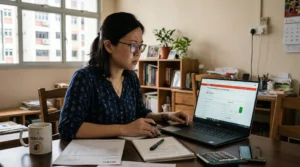
More professionals are quietly replacing their home desks with café tables. The combination of background buzz, good coffee, and a change of scenery is turning cafés into unofficial offices across the city.
TL;DR – Why Singaporeans Work From Cafés
- Home is too distracting or isolating for many remote workers.
- Cafés offer a productive atmosphere with good Wi-Fi, coffee, and people-watching.
- Hybrid work policies make cafés a convenient middle ground.
- Laptop-friendly cafés with plugs and quiet zones are booming.
- It’s become a cultural habit — productivity + social energy in one place.
Home vs Office vs Café: The New Work Triangle
Post-pandemic hybrid work changed everything. Many companies allow 2–3 days WFH, but home is full of distractions — kids, chores, or just the temptation to nap. The office can feel too formal or far away. Cafés have become the perfect middle ground: productive atmosphere, free Wi-Fi, good coffee, and the feeling of being “out” without commuting.
Many Singapore residents work from cafés because they offer a balance between productivity and comfort. Cafés provide reliable Wi-Fi, moderate background noise that boosts focus, and a social environment without the pressure of a formal office.
Why people work from cafes in Singapore?
For many it’s the ideal mix of focus (moderate noise boosts productivity), social energy (people around without pressure), and convenience (close to home or MRT).
💡 Did You Know?
Post-pandemic surveys show over 40% of Singapore remote workers prefer third spaces like cafés for at least 2–3 days a week. The “Coffee Shop Effect” — where moderate background noise actually boosts focus — is backed by research and explains why many get more done in cafés than at home.
The Rise of Laptop-Friendly Cafés
Cafés have adapted fast. Many now advertise “laptop-friendly” with power sockets, strong Wi-Fi, and no time limits on weekdays. Some even have quiet zones or longer tables for remote workers. This shift turned cafés into unofficial co-working spaces for people who don’t want (or can’t afford) private offices.
If you’re one of those people feeling stuck in the middle-class grind while working remotely, our middle class financially stuck guide shows how many are using cafés to escape home pressure and boost productivity.
Productivity Boost from the “Coffee Shop Effect”
Research shows moderate background noise (like café chatter) can actually improve focus for creative or deep work. Home is too quiet or too distracting; office is too formal. Cafés hit the sweet spot for many. Plus, the caffeine helps, and seeing other people work creates a subtle accountability effect.
Why remote workers choose cafes?
They get the social buzz without office politics, better focus than home, and the flexibility to move around or meet clients casually.
Mini Quiz: Why Do You (or Others) Work From Cafés? (Tap to reveal)
- You feel more focused with café noise than at home:
Click for answer
Classic “Coffee Shop Effect” — moderate ambient noise boosts concentration.
- Home has too many distractions (kids, chores, family):
Click for answer
Very common reason — cafés create a clear work boundary.
- You want social energy without office politics:
Click for answer
Cafés give the feeling of being around people without mandatory small talk.
The Social and Mental Health Side
Many Singaporeans say working from home full-time feels isolating. Cafés give the feeling of being around people without mandatory small talk. It’s a low-pressure way to combat loneliness while getting work done. For some, it’s also a way to separate work from home life — when they leave the café, work ends.
If you’re also dealing with higher home utility costs from running aircon all day while WFH, our electricity bill spike guide shows how cafés can actually save you money on cooling bills.
How Cafés Are Adapting to the Trend
Many cafés now offer longer seating times, better Wi-Fi, and even “work bundles” with coffee refills and plugs. Some have quiet hours or designated work zones. This adaptation helps them survive rising rents and competition from bigger chains.
If you notice some cafés look quiet but stay open for years, our empty shops Singapore guide explains how low-traffic but high-margin models keep them going.
When Working From Cafés Becomes a Problem
Some cafés now limit laptop use during peak hours to make space for paying customers who just want to eat. Others raise prices or introduce minimum spend rules. It’s a delicate balance — cafés need remote workers for weekday revenue, but they also need regular diners.
If you’re running or thinking about a small business, our why SMEs fail Singapore guide shows how cafés adapt to changing customer behaviour to survive.
✅ How to Work From Cafés Effectively
- Choose off-peak hours to avoid crowds and minimum spend rules
- Support the café — order food/drinks regularly
- Be mindful of table time during busy periods
- Carry a portable charger and noise-cancelling headphones
❌ Avoid These Mistakes
- Occupying a table all day with just one drink
- Spreading out too much during peak hours
- Assuming every café welcomes laptops
Real Stories from Singapore Remote Workers
“Home is too distracting with kids and chores. Cafés give me structure and better focus. I get more done in 3 hours there than 6 hours at home.” – Rachel, 34, marketing freelancer
“I rotate cafés every few days. It keeps me motivated and I meet interesting people. Best part? No commute and fresh air.” – Kelvin, 41, tech consultant
Expert Insight – Urban Sociologist Studying Work Habits in Singapore
“Cafés have become third spaces where people reclaim productivity and social connection. It’s not just about coffee — it’s about mental separation from home and office. In Singapore’s high-pressure environment, this small rebellion against pure WFH or full office return is very meaningful.”
A Personal Note
I’ve worked from home, office, and cafés over the last few years. Cafés are my favourite when I need deep focus without isolation. The subtle buzz, good coffee, and change of scenery make me more productive than staring at my home wall all day. It’s a small luxury that feels like a big win in Singapore’s fast-paced life.
Official Resources & Further Reading
Do you work from cafés too?
Tell us in the comments — which café is your go-to spot? Why do you prefer it over home or office? Your favourite might become someone else’s new productive hideout.
Working from cafés Singapore is no longer just a trend — it’s a practical response to hybrid work, home distractions, and the need for human energy without full office return. Cafés have adapted beautifully, and many workers are more productive and happier for it. Whether you do it once a week or every day, it’s a small rebellion that makes work feel more human in our fast-paced city.
While cafés help with productivity, don’t forget the bigger financial picture. Our Singapore SMEs struggle after two years guide, small shop ownership change guide, empty shops Singapore guide, silent price increase guide, middle class financially stuck guide and why SMEs fail Singapore guide all show how the same economic pressures affect businesses around you while you work remotely.

About the Author: Kun Kerssa
Kun is a Singapore-based business and lifestyle researcher with over 5 years of experience observing local economic trends. From hawker centre economics to the rise of hybrid work cultures, Kun provides on-the-ground insights into how global shifts impact everyday Singaporeans.