
Half of New Singapore SMEs Don’t Survive — Here’s Why
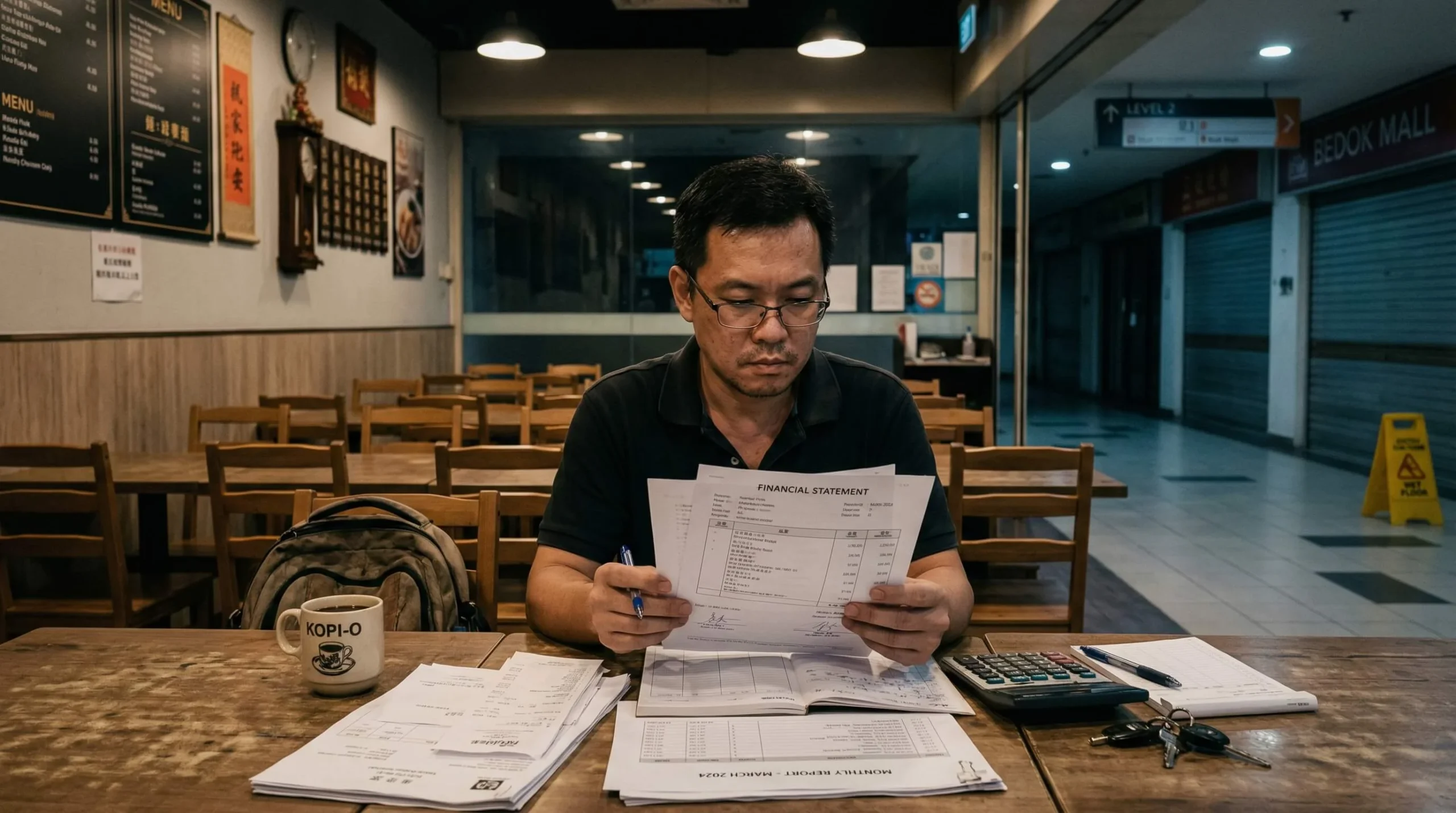

You open your kopitiam at 6 a.m., work 14-hour days, pour your savings into the business, and still one day you get the ACRA letter: company struck off. It happens to thousands of Singapore SMEs every year. The phrase “why SMEs fail Singapore” is whispered in every heartland coffee shop and Facebook group. But the real story is more complicated than the usual “cash flow” excuse. Many businesses close not because the owners were lazy or stupid, but because the combination of rising costs, manpower shortages, rental pressure and unexpected shocks simply becomes too heavy. This is the honest picture of what’s happening to small businesses in 2026.
TL;DR – The Real Picture
- About half of new SMEs do not survive beyond 5-6 years.
- Biggest pressures: manpower costs, rental, cash flow management and regulatory burden.
- Many closures are quiet and planned, not dramatic bankruptcies.
- Government grants and support exist but many owners don’t know how to access them effectively.
- Businesses that last are the ones that treat cash flow like oxygen and adapt quickly.
One slow quarter. One rent increase. One delayed client payment.
That’s all it takes to push many Singapore SMEs from “stable” to “struggling.”
Most closures don’t happen overnight — they happen quietly, month by month.
The Numbers Nobody Wants to Talk About
Every year thousands of new companies are registered with ACRA. But the survival rate tells a tougher story. Many owners quietly wind up their business before the 3-year mark because continuing would mean losing even more money. This is not always failure in the dramatic sense – sometimes it is a rational decision to cut losses.
How long do SMEs survive in Singapore?
On average, about half make it past the 5-6 year mark. The first three years are the most dangerous period for most small businesses.
The Real Reasons Small Businesses Close
Cash flow is always mentioned first, but it is usually the final symptom, not the root cause. The deeper issues are structural: manpower costs that keep rising every year, commercial rents that refuse to come down, and the constant pressure of compliance and paperwork that eats owner time.
Many owners I’ve spoken to say the same thing: “I was making money on paper but never had cash in the bank.” If you’re feeling the same squeeze in your household budget while trying to run a business, our Singapore household cost drift guide shows how small monthly increases quietly destroy both personal and business finances.
💡 Did You Know?
According to ACRA and Enterprise Singapore data, roughly half of new companies do not make it past their 5-6th year. The first 36 months are the most dangerous period because fixed costs (rent, salaries, CPF) keep rising while revenue is still unpredictable.
Main reason small businesses close Singapore?
The combination of high fixed costs (rent + salaries) and unpredictable revenue. When these two collide, even profitable-looking businesses run out of cash.
Rising Rental Costs – The Silent Killer
Commercial rents in heartland areas and industrial parks have climbed steadily. A small F&B outlet or retail shop can easily pay S$8,000–15,000 a month in rent and service charge. When revenue drops for even two months, the rent still has to be paid. Many owners say this single line item is what finally forces them to close.
Manpower Shortage and Skyrocketing Labour Costs
Finding and keeping reliable staff has become harder and more expensive. CPF contributions, foreign worker levies and salary expectations have all gone up. Many small businesses operate with the owner doing multiple roles because they simply cannot afford another full-time person.
If you’re a mid-career professional thinking about starting your own thing, our Singapore salary guide by industry shows exactly what salary level you would be walking away from.
Cash Flow Problems – The Day-to-Day Struggle
Customers pay late, suppliers demand upfront payment, and the bank wants to see consistent revenue before giving any loan. Many SMEs die with healthy-looking orders on paper but no actual cash in the account to pay salaries at the end of the month.
SME cash flow management Singapore – why it’s so hard?
Because revenue is lumpy and expenses are fixed and monthly. One delayed payment from a big client can create a chain reaction that lasts months.
Mini Quiz: Is Your SME at Risk? (Tap to reveal)
- You have less than 3 months of runway left:
Click for answer
High risk. Cash flow is the biggest killer in the first 3 years.
- Rent takes more than 25% of your revenue:
Click for answer
Warning sign. Many closures start exactly here.
- You have no emergency buffer outside the business:
Click for answer
Very common mistake. Personal savings are often the only lifeline.
The Hidden Cost of Compliance
ACRA filings, GST registration, CPF contributions, MOM rules, fire safety certificates – the paperwork never ends. Many first-time owners underestimate how much time and money compliance actually takes. Some eventually give up because they spend more time on forms than on customers.
If you’re worried about losing your job while building the business on the side, our Singapore job market signals guide shows which sectors are still hiring and which are slowing down.
✅ What Surviving SMEs Do Differently
- Keep at least 6 months of personal expenses separate from the business
- Review cash flow every single week, not just at month end
- Negotiate longer payment terms with suppliers and shorter with customers
- Start small and test demand before signing expensive leases
❌ Common Mistakes That Lead to Closure
- Using personal savings as business capital without a clear plan
- Signing a 3-year lease before proving the concept
- Hiring full-time staff too early
- Ignoring compliance until ACRA sends a letter
Real Stories from Singapore Business Owners
“I opened a café in 2023. Everything looked good on paper but rent and manpower costs ate all the profit. Closed after 26 months.” – Kenneth, former F&B owner
“My logistics company survived because I kept overheads low and never hired more than I could pay. We’re now in year 7 and growing.” – Priya, supply chain SME
Expert Insight – Enterprise Singapore Advisor (12 years helping SMEs)
“The businesses that survive treat cash flow like oxygen. They keep costs variable wherever possible and never assume next month’s sales will be the same as this month’s. The ones that close often did everything right except manage their cash runway.”
A Personal Note
I’ve watched friends pour their life savings into small businesses. Some made it, some didn’t. The ones who survived were not necessarily smarter – they were more disciplined with cash and more willing to pivot when the market changed. Running an SME in Singapore is tough, but the ones who treat it like a marathon instead of a sprint tend to last longer.
Official Resources & Further Reading
- Enterprise Singapore – SME Support Schemes
- ACRA – Company Compliance & Strike Off Info
- MOM – Employment and Manpower Guidelines
Have you seen an SME close or survive?
Share your experience in the comments – what was the biggest challenge you or someone you know faced? Your story might help the next business owner avoid the same mistake.
Running a small business in Singapore is tough, but many do survive and even thrive when they stay disciplined with cash, keep costs flexible and adapt quickly. The ones that close are not always failures — sometimes they are simply lessons that free up the owner to try again smarter. If you’re in the middle of it right now, you’re not alone. Keep watching the numbers, keep listening to customers, and keep enough buffer so you can fight another day.

About the Author: Ella Dirlasso
Business & Economy Editor, SGVital | Former SME Consultant
Ella has spent over a decade analyzing Singapore’s dynamic business landscape. Drawing from direct experience helping local heartland enterprises navigate ACRA regulations and EnterpriseSG grants, she breaks down complex economic shifts into actionable insights for the everyday Singaporean.