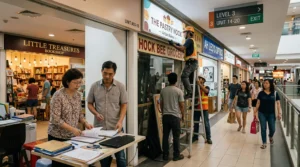
Notice How Many Singapore Shops Only Have 3 Staff? Here’s the Real Reason


You walk into a small office or shop in Singapore and notice something: only 3-4 people on the floor, but the workload is heavy. Many of them are contract workers or freelancers rather than permanent staff. This trend of companies hiring more contract workers than full-time staff is becoming very common, especially among SMEs. Businesses are choosing flexible, short-term hires to keep costs low and adapt quickly in our fast-changing economy. This guide explains why this shift is happening, how companies make it work, and what it means for both employers and workers in 2026.
TL;DR – Why Companies Prefer Contract Workers
- High manpower costs (salaries, CPF, benefits) make full-time staff expensive.
- Contract workers give flexibility to scale up or down quickly.
- Many businesses use freelancers for specific projects or peak seasons.
- Technology and outsourcing make small core teams more efficient.
- This model helps companies stay competitive in a high-cost city.
The High Cost of Full-Time Staff in Singapore
Hiring a full-time employee is expensive here. Besides the salary, companies pay CPF, medical benefits, annual leave, and other obligations. For many SMEs, this makes permanent staff a big commitment. Contract workers or freelancers let businesses pay only for the hours or projects they need, keeping costs flexible.
If you’re running a small business and feeling the same manpower pressure, our Singapore SMEs struggle after two years guide shows how rising staff costs contribute to many early closures.
Flexibility in a Fast-Changing Market
Business needs change quickly in Singapore. A sudden project, seasonal demand, or market shift can require extra hands for a few months. Contract workers allow companies to scale up or down without the headache of hiring and firing permanent staff. This agility helps them stay competitive.
Many small shops also use similar lean staffing models, as our small shop ownership change Singapore guide explains how new owners often start with minimal teams to keep costs low.
💡 Did You Know?
In Singapore, contract and gig workers now make up a significant portion of the workforce in many SMEs. Companies can save up to 30-40% on costs by using contract staff instead of full-time employees because they avoid long-term commitments like CPF top-ups and medical benefits.
Technology and Outsourcing Make It Possible
AI tools, cloud software and outsourcing platforms let small teams handle big workloads. Many companies keep a core group of full-time staff for key roles and bring in contract workers for everything else. This hybrid model reduces risk and keeps the business nimble.
If you’re noticing more cafés and co-working spaces being used by remote contract workers, our working from cafés Singapore guide shows how this trend is changing daily work life.
The Worker Side – Why Many Prefer Contract Roles
For employees, contract work can mean higher hourly rates, flexibility to choose projects, and the chance to work with different companies. Some prefer it to avoid office politics or to balance family life. The gig economy has made this option more attractive for many Singaporeans.
If you’re feeling financially stuck despite earning a good salary, our middle class financially stuck guide explains how contract work can be part of the solution for some people.
Mini Quiz: Why Does This Company Use Contract Workers? (Tap to reveal)
- Team is small but workload varies every month:
Click for answer
They hire contract workers for busy periods to avoid permanent overheads.
- Company is growing fast but doesn’t want big fixed costs:
Click for answer
Contract staff give flexibility to scale without long-term commitments.
- Many roles are project-based:
Click for answer
Freelancers or contract workers are more efficient for specific tasks.
When Small Teams and Contract Workers Become a Risk
Small core teams can lead to burnout if one person leaves. Without enough permanent staff, knowledge and continuity can be lost. Many companies eventually add full-time roles once they stabilise and grow.
Some shops look empty but stay open for years using lean contract staffing, as our empty shops Singapore guide reveals the hidden strategies behind them.
✅ How Companies Make Small Teams Work
- Use automation and SaaS tools to reduce manual work
- Outsource non-core tasks to reliable freelancers
- Cross-train the core team so everyone can cover gaps
- Keep a small emergency buffer for sudden needs
❌ Common Mistakes
- Relying too heavily on contract workers for critical roles
- Not having clear contracts or handover processes
- Ignoring team morale and burnout
Real Stories from Singapore Businesses
“Our core team is only 4 people. We bring in contract designers and marketers for big projects. This keeps costs low and lets us grow without big commitments.” – Sarah, 6-year-old digital agency owner
“I used to have 8 full-time staff. Switched to 3 permanent + contract workers and saved S$15,000 a month while staying just as productive.” – Kelvin, retail SME founder
Expert Insight – HR Consultant (15 years advising Singapore SMEs)
“The smartest companies keep a small core team for culture and knowledge, then use contract workers for flexibility. This model works well in Singapore because costs are high and markets change fast.”
A Personal Note
I’ve worked in both big teams and small contract setups. The small ones felt more dynamic and less bureaucratic. In Singapore’s high-cost environment, many companies have no choice but to stay lean. The key is finding the right balance between flexibility and stability. Small teams can be powerful when everyone is aligned.
Official Resources & Further Reading
Do you work in or run a small team?
Tell us in the comments — what’s the biggest advantage or challenge? Your real experience helps other Singapore businesses and workers understand this growing trend.
Some businesses in Singapore operate with very small teams because it’s a smart way to stay lean and agile in a high-cost city. Technology and outsourcing make it possible, and the benefits — lower costs, faster decisions, higher productivity — outweigh the challenges for many. If you’re thinking of starting or scaling a business, small teams might be the way to go.

Written by Ella Dirlasso
Business & Economy Correspondent, SGVital
Ella has over 8 years of experience covering Singapore’s SME landscape, local market trends, and the gig economy. She specializes in on-the-ground reporting, translating complex economic shifts into practical insights for everyday Singaporeans and local business owners.