
Ever Wonder Why That ‘Empty’ Mall Shop Never Closes? The Real Reason Singapore SMEs Are Going Online
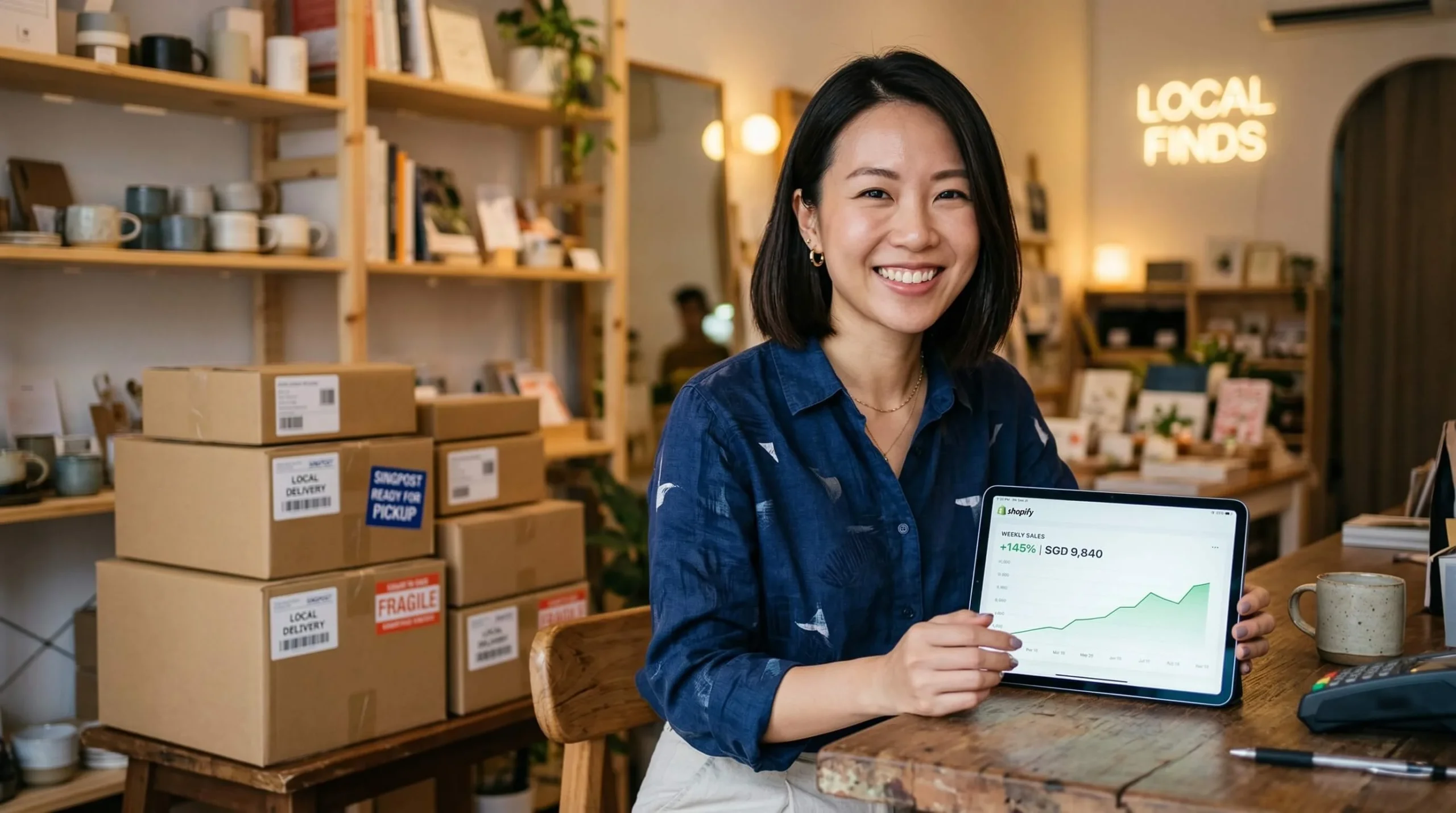

You walk past a shop in your local mall and notice the lights are on but the shelves look half-empty. Then you check the same brand’s website and it’s full of stock with next-day delivery. Many Singapore businesses are quietly shifting their focus to online sales rather than physical stores. The rent is high, foot traffic is unpredictable, and customers now expect convenience and speed. This shift isn’t just a trend — it’s a survival strategy for many small and medium businesses in 2026. This guide explains why more companies are going digital-first and what it means for both owners and shoppers.
TL;DR – Why Businesses Focus on Online Sales
- High commercial rents and low foot traffic make physical stores expensive to run.
- Online sales offer lower overheads, wider reach, and 24/7 availability.
- Customers prefer the convenience of home delivery and easy comparisons.
- Many SMEs use online as the main channel and keep physical shops for branding only.
- The shift helps businesses survive rising costs while reaching more customers.
The High Cost of Running a Physical Store
Rent in Singapore malls and heartland shops is one of the biggest headaches for small businesses. Even a modest 200 sq ft unit can cost S$8,000–15,000 a month including service charges. Add staff salaries, utilities, and maintenance, and many owners realise they can sell more online with far lower fixed costs. This is why more businesses are moving their main operations to e-commerce platforms while keeping the physical shop as a showroom or pickup point only.
If you’re also noticing higher electricity bills from running aircon in your flat or shop, our electricity bill spike guide shows how the same cost pressures affect both homes and businesses.
Customer Behaviour Is Changing Fast
More Singaporeans now shop online because it’s convenient, prices are often better, and delivery is fast. Young professionals and busy families prefer scrolling on their phones during lunch breaks or at night instead of fighting crowds in malls. Businesses that noticed this shift early started focusing on online sales to meet demand where the customers already are.
Many of these online-focused businesses struggle after the first two years if they don’t manage cash flow properly, as our Singapore SMEs struggle after two years guide explains the common challenges.
💡 Did You Know?
In 2026, online sales already make up more than 25% of total retail revenue for many Singapore SMEs. Businesses that started with a physical store but moved 70% of sales online often report 30-40% lower operating costs while reaching customers across the island.
Technology Makes Online Sales Easier Than Ever
Platforms like Shopee, Lazada, and Shopify let even small businesses reach thousands of customers without a physical storefront. Social media ads, live streaming, and simple logistics tools mean a 2-person team can handle what used to require 10 staff in a shop. This digital shift allows owners to test products, adjust prices quickly, and scale without signing expensive leases.
Some shops that look empty but stay open for years use a similar hybrid model, as our empty shops Singapore guide reveals the hidden revenue strategies behind them.
The Emotional and Practical Side for Owners
Running a physical shop means long hours, weekend work, and constant worry about foot traffic. Many owners say switching more sales online gives them better work-life balance and less stress. They can manage orders from home or a small office instead of standing behind a counter all day.
If you’re feeling the same financial pressure while running a small business, our middle class financially stuck guide shows how rising costs affect both personal and business finances.
Mini Quiz: Why Is This Shop Going Online? (Tap to reveal)
- Physical store is always quiet but website is busy:
Click for answer
They shifted focus to online sales to cut rent and reach more customers.
- Owner keeps the shop but sells most items online:
Click for answer
The physical store is now mainly for branding and occasional walk-ins.
- Prices are lower online than in-store:
Click for answer
Lower overheads allow better pricing and attract price-sensitive buyers.
When Focusing on Online Sales Is the Right Move
For niche products, seasonal items, or businesses targeting younger customers, online sales often make more sense. Physical stores still have value for trust and immediate pickup, but many owners now see them as a marketing tool rather than the main revenue driver. The smartest businesses combine both — a small showroom plus a strong online presence.
If you’re considering starting or buying a small business, our small shop ownership change Singapore guide explains how many new owners choose online-heavy models from the start.
✅ What Successful Online-Focused Businesses Do
- Build a strong website or marketplace presence early
- Use social media and live streaming to drive sales
- Keep physical stores small and use them for branding only
- Focus on fast delivery and good customer service online
❌ Common Mistakes When Shifting Online
- Neglecting the physical store completely and losing local trust
- Underestimating logistics and delivery costs
- Ignoring customer feedback on website experience
Real Stories from Singapore Business Owners
“My physical shop was always quiet but online sales grew fast. I kept the store as a pickup point and moved 70% of revenue online. Now I have more time and better margins.” – Sarah, 6-year-old fashion business owner
“I tried running a full retail shop for 2 years but rent killed me. Switched to online-only with a small showroom and finally started making profit.” – Kelvin, electronics SME owner
Expert Insight – E-commerce Consultant (14 years helping Singapore SMEs)
“The smartest businesses treat physical stores as marketing tools and online as the main revenue engine. This hybrid model lets them survive high rents while reaching customers across the island.”
A Personal Note
I’ve watched friends run both physical shops and online businesses. The ones who shifted more to online early had an easier time during slow periods. It’s not about giving up the shop completely — it’s about letting the internet do the heavy lifting so you can focus on what really matters. Singapore’s high costs make this shift almost inevitable for many small businesses.
Official Resources & Further Reading
Do you shop more online or in stores?
Tell us in the comments — why do you prefer one over the other? Have you noticed shops shifting online? Your real experiences help other Singaporeans understand this growing trend.
Many Singapore businesses now focus more on online sales than physical stores because it makes financial and practical sense in our high-cost city. Lower overheads, wider reach, and changing customer habits are driving the shift. The smartest operators use both channels — online for volume and physical for trust — creating a balanced model that works in 2026.

Kun Kerssa
Business & Economy Editor | Local SME Specialist
Expertise: Kun is an experienced business researcher focusing on Singapore’s local economy and SME strategies. Having closely monitored the digital transformation of heartland shops for years, he conducts on-the-ground interviews with real business owners. His goal is to translate complex economic shifts into transparent, reliable guides that reflect the everyday realities of Singaporeans.