
Notice Your NTUC Bill Creeping Up? The Ugly Truth About Singapore’s Supermarkets
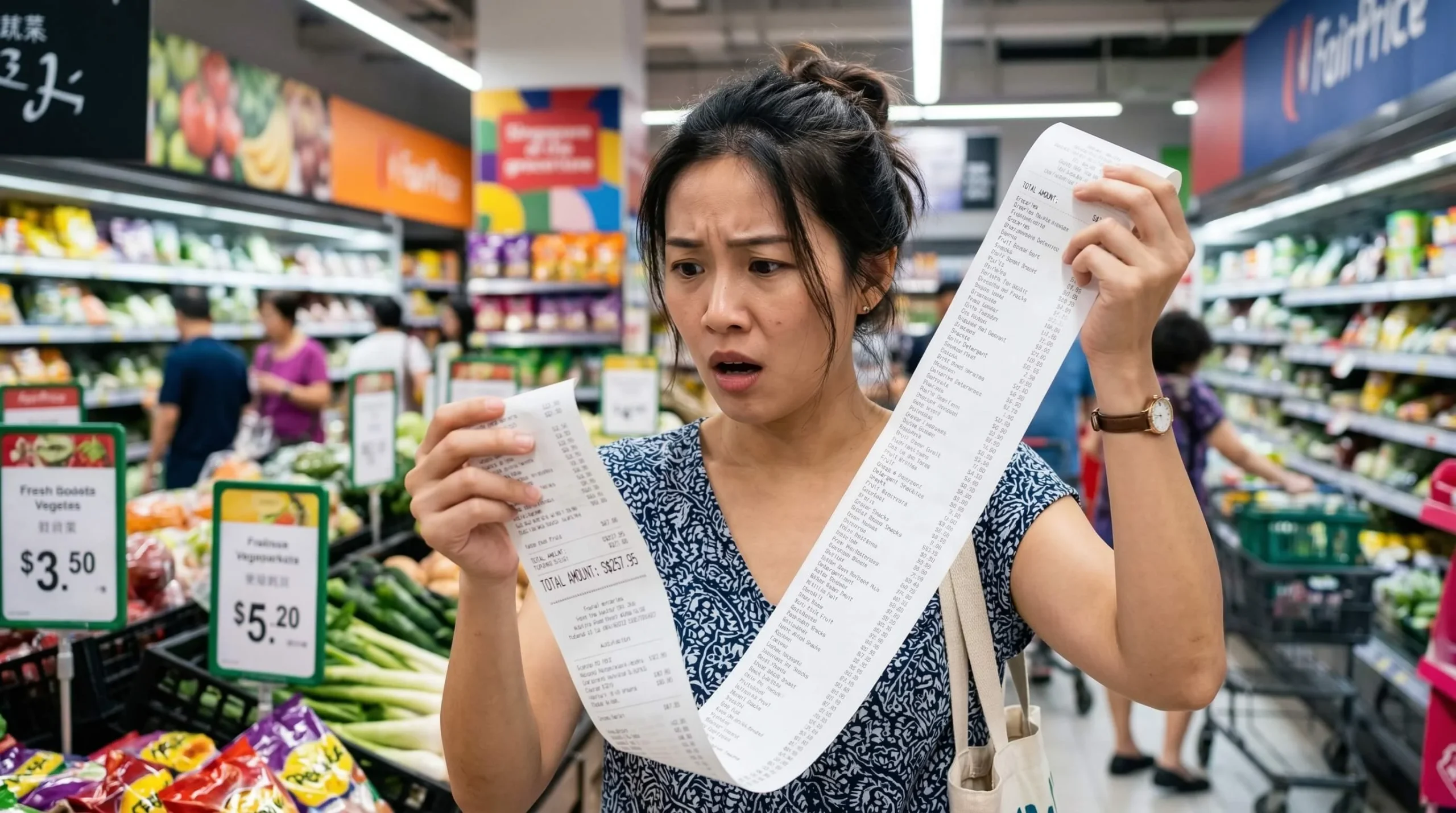

You push your trolley through the supermarket aisle and notice it again: the same pack of chicken thighs or carton of milk now costs 50 cents to a dollar more than a few months ago. No big announcement, no new price tag screaming “increased”, just a quiet creep that makes your weekly grocery bill feel heavier. Grocery prices Singapore have been rising steadily, and many residents feel the pinch even if their salary stayed the same or went up slightly. This guide explains why your trolley feels more expensive now in 2026 — and what the real drivers are behind it.
TL;DR – Why Groceries Feel More Expensive
- Food inflation has been higher than general inflation for several years.
- Global supply chain costs, manpower, rent and utilities all rose together.
- Supermarkets pass on increases gradually to avoid backlash.
- Even small 20–50 cent increases across many items add up fast.
- Many households are shifting to private labels and bulk buying to cope.
The Quiet Creep of Grocery Prices Singapore
Prices don’t jump overnight — they creep up 10–50 cents at a time. One week the chicken is $4.80/kg, next month $5.30, then $5.80. Over 12 months it adds up to hundreds of dollars extra without you changing your shopping list. This slow increase is deliberate: supermarkets know big jumps make customers angry, so they spread it out.
Why grocery prices are getting more expensive in Singapore?
Global supply costs, manpower, rent and utilities all rose together. Supermarkets pass these increases gradually to avoid losing customers.
Global Factors That Hit Local Shelves
Singapore imports almost everything we eat. When fuel prices rise, shipping containers cost more. When animal feed or fertiliser prices go up overseas, chicken, pork and vegetables follow. Weather disruptions in supplier countries or currency fluctuations add extra pressure. These costs reach NTUC, Sheng Siong and Cold Storage shelves within weeks.
If you’re also noticing higher home utility bills from running aircon more to cope with the heat, our electricity bill spike guide shows how these same global pressures affect both groceries and home costs.
💡 Did You Know?
Singapore imports over 90% of its food. When global shipping, fuel or ingredient prices rise even slightly, those costs reach supermarket shelves within weeks. A 10% increase in chicken feed or container freight can translate to 30–50 cent jumps on everyday items.
Local Cost Pressures Supermarkets Face
Rent in retail spaces keeps climbing. Staff salaries and CPF contributions rise every year. Electricity, water and logistics costs all add up. Supermarkets can’t absorb everything, so they adjust shelf prices slowly. Private label items (house brands) are also more expensive now because the supermarkets’ own costs went up.
If you’re running a small business and feeling the same cost squeeze, our why SMEs fail Singapore guide explains how rising operating costs force many to adapt or close.
Why It Feels Worse Than the Official Inflation Numbers
Official CPI food inflation might say 3–5%, but your personal grocery basket often feels 8–12% higher. Why? Because food categories like fresh produce, meat and dairy fluctuate more than the average. Plus, many households buy the same brands and notice every 20–50 cent increase immediately.
If you’re also dealing with musty smells or condensation at home because of the same humidity, our musty bathroom smell guide and condensation on windows guide show how environmental factors quietly affect daily life and costs.
Mini Quiz: Why Does Your Grocery Bill Feel Higher? (Tap to reveal)
- Your usual weekly spend rose S$20–30 without buying more:
Click for answer
Gradual price increases across many items — classic food inflation creep.
- Meat and dairy sections feel noticeably more expensive:
Click for answer
Global feed and shipping costs hit these categories hardest.
- Even private label items cost more than last year:
Click for answer
Supermarkets pass on their own rising operating costs too.
How People Are Coping Right Now
Many are switching to house brands, buying in bulk during promotions, using apps for deals, or even growing small herbs at home. Some cut back on premium items or eat out less. The ones who stay calm track their spending and adjust gradually instead of panicking.
If you’re trying to build better financial habits amid these increases, our emergency savings guide shows how to create a buffer for unexpected grocery spikes.
✅ What Smart Shoppers Are Doing
- Track 10–15 regular items over 3 months
- Buy house brands and promotions aggressively
- Shop at different supermarkets for comparison
- Plan weekly meals around what’s on offer
❌ Stop Doing These
- Buying the same brands without checking prices
- Shopping when hungry or without a list
- Ignoring house brands just because they’re cheaper
Real Stories from Singapore Shoppers
“My weekly NTUC bill used to be S$120. Now it’s S$150–160 for the same items. I switched to house brands and bulk buys — saved S$20–30 a week.” – Mei Ling, 38, mother of two
“I noticed chicken and milk went up 40–50 cents each time. Started meal planning around promotions and cut eating out. Bill stabilised again.” – Raj, 45, dual-income family
Expert Insight – Retail Economist (studying Singapore F&B and grocery trends)
“Food inflation feels worse than headline numbers because essentials like rice, chicken and milk fluctuate more. Supermarkets spread increases gradually to avoid backlash. The shoppers who cope best are the ones who treat grocery shopping like a strategy game.”
A Personal Note
I’ve felt this squeeze myself. My weekly grocery run used to be predictable. Then slowly, almost invisibly, it started costing more. Once I started tracking just 10 items, the increases became visible and manageable. It’s not about being cheap — it’s about staying in control in a city where everything quietly gets more expensive.
Official Resources & Further Reading
Your grocery bill also creeping up?
Tell us in the comments — which items surprised you most? Did you switch brands or start meal planning? Your real tips help other Singaporeans cope with the quiet price creep.
Grocery shopping in Singapore feeling more expensive is real — and it’s not just you. Rising costs are passed on gradually, and small changes add up fast. The good news is that awareness and small habits (tracking, house brands, promotions) give you back some control. You don’t have to accept every increase — you can adapt smarter.
While these grocery price changes affect your daily budget, don’t forget the bigger financial picture. Our middle class financially stuck guide, why SMEs fail Singapore guide, emergency savings guide, how much to retire in Singapore guide and salary guide by industry all help you stay ahead of these small but constant pressures.

Written by: Ege Sg
Ege Sg is an on-the-ground editorial writer for SG Vital, specializing in Singapore’s daily life and consumer trends. By regularly navigating local supermarkets and tracking household expenses, Ege provides fellow Singaporeans with practical, real-world insights to help them manage the quietly rising cost of living.