Singapore Ant Infestation: Why Ants Keep Returning
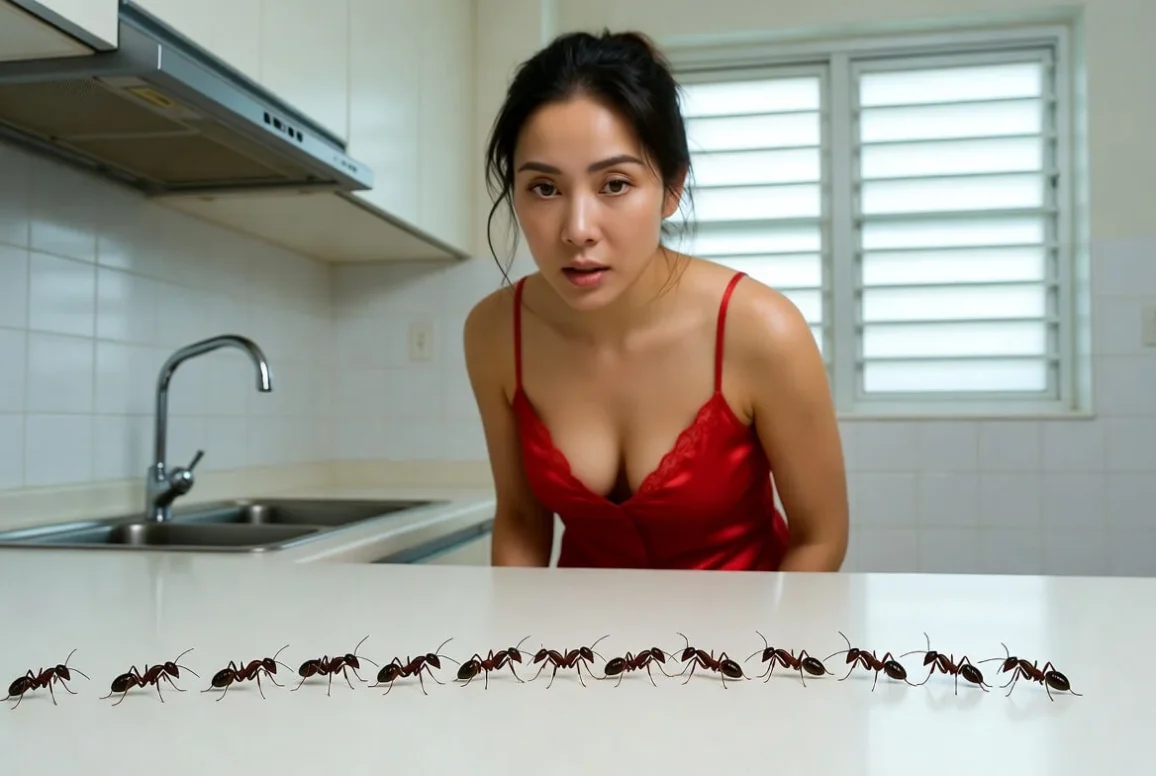

You wipe the kitchen counter spotless before bed, only to wake up to a perfectly straight, marching line of tiny black invaders heading straight for a single drop of spilled soy sauce. It feels like an unwinnable war.
🏃♂️ TL;DR: The Quick Fix for HDB Ant Invasions
- The Mistake: Wiping trails with plain water. You need dish soap or white vinegar to destroy the invisible pheromone paths.
- The Secret: Ants come for water just as much as food. Dry those bathroom floors and sink edges!
- The Weapon: Ditch the aerosol sprays. Gel baits (easily found at FairPrice or online) kill the queen, not just the workers.
- The Defense: Seal small cracks in your HDB walls or near the rubbish chute with silicone.
Living near the equator means sharing our space with nature, and finding ants in singapore home kitchens or bathrooms is practically a rite of passage. However, when a few scouts turn into a full-blown singapore ant infestation, it becomes a daily source of frustration. Many residents feel like they are doing everything right—cleaning, spraying, and sweeping—yet the ants keep coming back singapore style, seemingly out of thin air.
If you are struggling with an ant problem singapore apartment life throws at you, the solution isn’t just buying stronger chemicals. It is about understanding ant behavior in a highly humid, tropical environment. Here is how to read the trails, find the source, and learn how to get rid of ants singapore residents deal with effectively.
The Reality of a Singapore Ant Infestation
A Singapore ant infestation happens when scout ants establish a pheromone trail that leads back to a hidden indoor colony. Killing visible ants is not enough — breaking the scent trail and eliminating the queen through baiting is the only long-term solution.
Our environment provides the perfect storm for tropical climate ants. They don’t just want your food; they want your water and the safe, climate-controlled shelter of your HDB or condo.
Why do ants keep coming back in singapore flats?
Ants operate on a sophisticated chemical communication system. When a scout ant finds a resource (water or food), it leaves an invisible pheromone trail on its way back to the nest. Other ants follow this exact trail. If you simply wipe the ants away with a dry or water-only cloth, the chemical trail remains intact. The next batch of ants will simply follow the ghost trail right back to your counter.
Do ants increase during rainy season singapore?
Yes. During the monsoon seasons (typically November to January), the heavy rains flood outdoor ant colonies. This forces them to migrate to higher, drier grounds—which usually means moving through the tiny cracks in the exterior walls of your building and straight into your living room. The rainy season ant problem is less about food and more about survival and shelter.
🌧️ Did you know? During the Northeast Monsoon (November to March), pest control companies in Singapore report up to a 30% increase in calls for indoor ant and roach infestations. When the BTO grounds flood, your warm, dry kitchen becomes their only safe haven!
Identifying the Culprits: Sugar Ants and Small Black Ants
Not all ants are the same, and knowing your enemy is crucial to defeating them.
Are sugar ants harmful in singapore?
Pharaoh ants and Ghost ants (commonly referred to as sugar ants singapore) are generally not harmful in terms of biting or structural damage. However, they are a significant nuisance. They can contaminate food and are known to carry pathogens from your rubbish chute to your kitchen preparation areas.
What attracts ants in humid climate?
While food crumbs attracting ants is the obvious answer, water is an even bigger draw. In our climate, a damp bath mat, condensation on a cold water pipe, or a slightly leaky kitchen faucet provides a permanent oasis. This is why you frequently find ants in bathroom singapore flats, far away from any food sources.
Water in bathrooms is a huge attractor not just for pests but also for mold, mildew, and humidity problems. If you want to understand how persistent moisture behaves in Singapore homes and why it makes pest control harder, check out
this Singapore bathroom humidity and mold drying guide
.
Where Are They Hiding? Finding the Source
To prevent ants in apartment spaces, you must think like one. They prefer dark, warm, and undisturbed areas.
🧐 Quick HDB Pest Quiz: Are you inviting ants in?
1. You spilled some Milo on the counter. You clean it by:
- ❌ A) Wiping it with a damp cloth.
- ✅ B) Using a soapy sponge or vinegar. (Correct! A damp cloth leaves the sugar residue and scent trails intact.)
2. Where is the most common hidden ant nest in a BTO flat?
- ❌ A) Inside the fridge.
- ✅ B) Behind bathroom tiles or under the kitchen sink. (Correct! They love moisture and undisturbed dark spaces.)
How to find ant nest inside house?
Don’t look for a massive dirt mound. In an apartment, nests are usually hidden in wall voids, behind loose bathroom tiles, inside electrical sockets, or under the kitchen sink where the pipes enter the wall. To find them, don’t kill the scout ants immediately. Instead, watch where they carry their food. Following an ant trail in HDB flat environments will usually lead you straight to a small crack in the wall or floorboard.
Ants aren’t the only unwanted visitors in an apartment. Electrical trips and sudden power failures can affect how quickly you can respond to pest issues — especially in wet, rainy weather. For a clear step-by-step on safely diagnosing power outages, see
Singapore circuit breaker trip reset guide
.
Expert Insight / Analysis (E-E-A-T)
“High-rise pest management requires a structural approach. Residents often make the mistake of relying on contact aerosol sprays. While gratifying, this only kills the 5% of the colony that is foraging. To achieve long-term control, one must utilize slow-acting gel baits that the workers carry deep into the wall cavities to eliminate the queen.” — Urban Pest Control Specialist Insight
How Residents Deal with Ants in HDB: Actionable Fixes
Handling pests often overlaps with kitchen design, appliance placement, and airflow. Small HDB kitchens face unique heat and space constraints that can inadvertently create ant entry points or moisture pockets. For space and layout ideas that make kitchen pest prevention easier, see
Singapore small kitchen heat and layout guide
.
Once you know where they are coming from, it is time to deploy a multi-step strategy.
🛠️ Your 3-Step HDB Ant Eradication Plan
- Erase the Trail: Mix equal parts water and white vinegar. Spray the exact path the ants are walking and wipe it clean. This destroys the pheromones.
- Deploy the Bait: Place drops of gel ant bait (like Terro or Combat, easily found at NTUC or RedMart) right next to where they enter the wall.
- Seal the Breach: Once the ants stop coming (usually after 48 hours), use silicone caulk or putty to seal the tiny gaps in your skirting boards or tiles.
Best way to remove ant trail in kitchen?
Mix a solution of one part white vinegar to one part water (or use a strong dish soap solution). Spray this directly onto the trail and wipe it away. The vinegar neutralizes the pheromones, “blinding” the ants that try to follow the path later.
How to stop ants permanently in apartment?
The secret lies in the ant bait singapore effectiveness. Purchase a liquid or gel ant bait (borax-based baits are highly effective). Place drops of the gel directly on the trail. Do NOT kill the ants that swarm the bait. Let them eat it and carry it back to the nest. Within 48 to 72 hours, the entire colony, including the queen, will be eradicated.
Safe Ant Control for Home and Pets
If you have pets or toddlers, you might be wary of commercial baits. Safe ant control for home involves exclusion tactics first.
Natural ways to prevent ants in tropical weather?
Essential oils like peppermint, tea tree, and eucalyptus disrupt ant scent trails. You can soak cotton balls in these oils and place them near entry points. Cinnamon powder and baby powder also act as physical deterrents because ants hate walking through fine dust. However, remember that these are deterrents, not killers. They will redirect the ants, but they won’t destroy the nest.
👵 Local “Auntie” Hacks: Do they work?
You’ve probably heard older folks tell you to use chalk or pandan leaves. Ant chalk does work as a temporary physical barrier (they won’t cross it), but it’s highly toxic for pets. As for pandan leaves? While great for keeping cockroaches away in your taxi or kitchen cabinets, ants are largely unbothered by them. Stick to the vinegar!
Conclusion & CTA
Eradicating an ant problem singapore apartment dwellers face isn’t a one-time event; it’s an ongoing process of hygiene, moisture control, and strategic baiting. By taking the time to seal cracks against ants and destroying their chemical trails with vinegar, you can finally reclaim your kitchen. Stop spraying the scouts and start targeting the nest. Ready to upgrade your home defense? Grab some gel bait today and watch the magic happen.
🗣️ We Want to Hear From You, Lah!
Have you successfully defeated an ant invasion in your BTO or condo? Did you find a magic gel bait brand at NTUC or Sheng Siong that works wonders? Drop your best tips, DIY hacks, or worst pest horror stories in the comments below to help your fellow Singaporeans out!
(Context & Official Sources)
Internal Links:
* Singapore Home Pest Reality Guide: Small Roaches and Drain Flies
External Resources:

About the Author: Ege Sg
Ege is a dedicated editorial writer at SG Vital, specializing in practical daily life guides, HDB home maintenance, and surviving the tropical Singapore climate. With a keen eye on local living quirks and policies, Ege’s articles are meticulously researched to bring tried-and-tested, everyday solutions directly to your screen. Read more from Ege.