The 2:30 PM Singapore Syndrome: Why Your Afternoon Slump Isn’t Just About Lunch

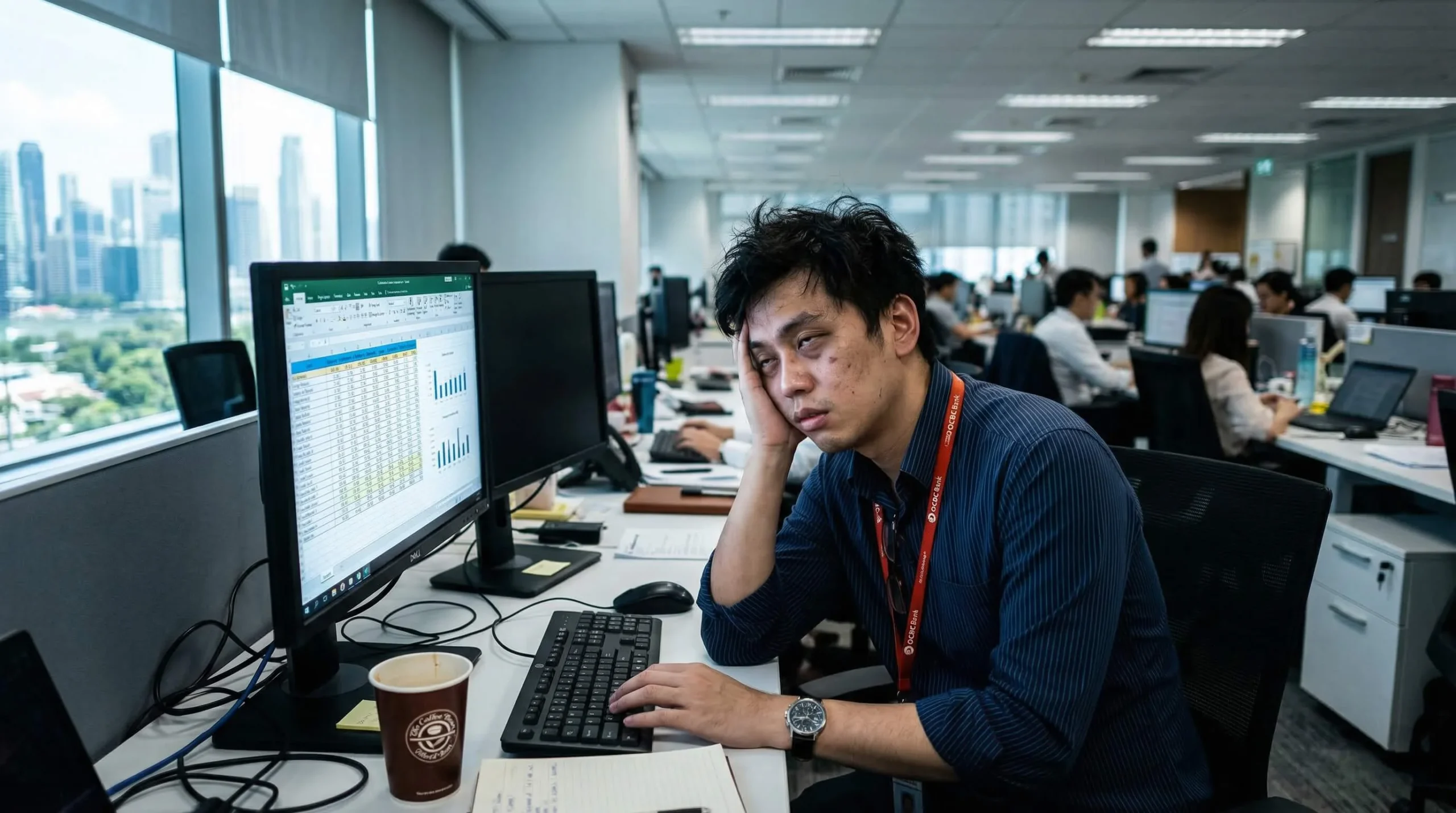

It hits right around 2:30 PM. You are staring at a spreadsheet, the glow of the monitor burning into your retinas, and a profound, overwhelming heaviness settles over your brain. The double-shot iced Americano you bought after lunch has done absolutely nothing to stop it. The desire to put your head down on the desk and close your eyes is almost magnetic.
The classic 2 PM energy crash is not a sign of weakness. It is a severe biological reaction to a highly specific tropical environment. Navigating extreme humidity taxes your cardiovascular system long before you even reach your office desk. Combine this massive tropical heat energy loss with carbohydrate-heavy hawker lunches, the physical shock of freezing corporate air-conditioning, and chronic sleep deprivation, and the result is an inevitable daytime system failure. Reclaiming your energy requires targeted hydration, managing sudden temperature transitions, and hacking your natural circadian rhythm instead of just drinking more coffee.
This is the daily reality for thousands of workers across the island. While feeling tired after a heavy meal is a universal human experience, the sheer intensity of the afternoon slump Singapore residents face is uniquely tied to the geography, the built environment, and the relentless pace of urban life. We often brush off this massive energy drop as a character flaw, a sign of laziness, or an indicator that we just need more caffeine. The truth is far more complex and deeply physiological.
Experiencing afternoon fatigue Singapore style is a multi-layered reaction. Your body is constantly fighting a quiet, exhausting war against the climate, your diet, and the modern corporate architecture. To fix the exhaustion permanently, you have to understand exactly what is draining the battery in the background while you are trying to work.
The Climate Tax: Thermoregulation in High Humidity
Human bodies are essentially water-cooled engines. When the ambient temperature rises, our blood vessels dilate, pushing blood closer to the surface of the skin so excess heat can escape. You sweat, the sweat evaporates into the surrounding air, and the body cools down. It is a brilliant system designed for survival.
Here is the problem. Evaporation relies heavily on the surrounding air being dry enough to absorb the moisture. The local meteorological stations constantly monitor our relative humidity, which frequently hovers between 80% and 90% throughout the morning and early afternoon. In this heavily saturated air, sweat simply pools on your skin. It cannot evaporate. Because the primary cooling mechanism fails, your heart has to pump harder and faster to circulate blood in a desperate, continuous attempt to regulate your core temperature.
This silent cardiovascular workout is exhausting. Simply walking to the MRT station or stepping out into a residential space where the hdb corridor hotter than outside singapore makes you sweat instantly is draining your daily reserves. The same heavy, oppressive moisture that explains why food spoils faster singapore style also slows down human metabolism and creates a profound sense of physical lethargy. By the time you sit down at your office desk at 9 AM, you have already expended a massive amount of kinetic energy just staying at a safe 37 degrees Celsius.
The “Aircon Whiplash” Effect
To combat the relentless tropical heat, we have engineered an entirely artificial indoor climate. The central business district and massive retail malls operate at a chilling 19 to 21 degrees Celsius.
Moving rapidly from the 33-degree outdoor heat into a freezing office building creates a massive physiological shock. Your blood vessels, which were just fully dilated to release body heat, suddenly slam shut. This rapid vasoconstriction is a survival mechanism designed to preserve core warmth. Your body immediately diverts energy away from higher cognitive functions to keep your internal organs warm in what it perceives as a sudden winter environment.
Many residents are hypersensitive to their utility bills, constantly worrying about the latest sp group bill increase singapore aircon cost, yet they spend nine to ten hours a day trapped in corporate freezers where they have absolutely no control over the thermostat. This constant thermal fluctuation severely confuses the body’s internal clock. The extreme indoor cold also mimics the natural core temperature drop that occurs in our bodies right before we go to sleep at night. Your brain interprets the freezing office air as a biological signal that it is time to shut down, triggering intense daytime tiredness Singapore workers struggle to fight off all afternoon.
The Hawker Center Food Coma
Let’s look at what fuels this engine. The local lunch culture is fast, cheap, incredibly efficient, and undeniably delicious. However, a typical plate of chicken rice, a massive serving of char kway teow, or a rich bowl of laksa is heavily weighted toward refined carbohydrates and saturated animal fats.
When you consume a massive load of simple carbohydrates, your blood sugar spikes dramatically within twenty minutes. Your pancreas panics at the sudden influx of glucose and floods your system with insulin to rapidly clear the sugar from your bloodstream into your cells. This aggressive clearing action causes a severe secondary crash. Your blood sugar plummets to a level lower than before you ate, right around the time you return to your desk.
This physiological condition, scientifically known as postprandial somnolence, is a massive driver of the low energy afternoon Singapore symptoms everyone complains about. Furthermore, the body directs a massive amount of blood flow away from the brain and down to the digestive tract to process the heavy, fat-laden meal. This leaves the brain relatively deprived of oxygen and vital nutrients. People frequently try to offset this dietary trap by comparing grocery prices singapore supermarkets offer to find healthier meal-prep alternatives, but the sheer convenience, cost-effectiveness, and social aspect of the Kopitiam lunch usually wins out. The result is a guaranteed 3 PM sugar crash that destroys productivity.
Expert Insight / Sector Analysis
“Occupational health studies consistently show that the post-lunch dip is deeply exacerbated by the tropical urban environment. The combination of high glycemic index foods and chronic, low-grade dehydration from heavily air-conditioned environments creates a perfect storm for cognitive decline. Office workers often mistake the symptoms of mild dehydration—such as difficulty focusing, mild headaches, and severe lethargy—for simple sleepiness. The standard response is to consume more caffeinated, sugary beverages, which act as mild diuretics and ultimately worsen the underlying fluid deficit.”
Dehydration and The Invisible Drain
You cannot discuss energy levels without thoroughly addressing hydration. Dehydration fatigue Singapore style is particularly insidious because you rarely actually feel “thirsty” while sitting in a cold, air-conditioned office. You might not be sweating visibly, but the extremely dry, heavily recycled air pumped through commercial HVAC systems accelerates insensible fluid loss through your skin and every breath you take.
A drop in total body hydration of just 2% causes a highly noticeable decline in cognitive performance, triggering brain fog causes and a massive drop in visual concentration. The blood literally thickens when dehydrated, forcing the heart to work significantly harder to push oxygen up to the brain against gravity.
Many office workers rely heavily on caffeinated teas and coffees to survive the workday. While these provide a temporary central nervous system stimulant effect, they act as mild diuretics, further depleting the body’s fluid reserves. Staying properly hydrated can sometimes feel challenging if you are sensitive to the mineral profile of local water supplies and constantly wondering why tap water tastes different singapore older pipes produce. But prioritizing plain water intake, or water enhanced with trace electrolytes, over pure caffeine is absolutely non-negotiable for sustaining energy past 2 PM.
The 24/7 Lifestyle and Sleep Cycle Disruption
You cannot fix daytime exhaustion if the nighttime recovery architecture is entirely broken. We exist in a hyper-connected, always-on urban culture where boundaries are blurred. The work stress Singapore professionals endure on a daily basis rarely stops when they leave the building; it bleeds heavily into the evening via emails and messaging apps.
To reclaim some sense of personal time and autonomy, residents frequently engage in a psychological behavior known as “revenge bedtime procrastination.” Instead of sleeping at a reasonable hour to recover from the day, they stay up late watching video streams or endlessly scrolling through late night shopping singapore platforms until 2 AM. This prolonged screen time blasts the retinas with high-intensity blue light, entirely suppressing the brain’s natural melatonin production and completely wrecking the circadian rhythm.
Even when people do manage to get a full eight hours in bed, the sleep quality Singapore environments provide is often incredibly poor. Ambient light pollution slipping through thin curtains, constant traffic noise from expressways, and the low-frequency hum of household electronics prevent the brain from entering the deep, restorative delta-wave sleep phases. You wake up physically rested but neurologically exhausted. When the natural, biological mid-afternoon dip in the human circadian rhythm occurs between 2 PM and 4 PM, this underlying, massive sleep debt magnifies the feeling, turning a slight natural dip into a total systemic crash.
Mental Fatigue in a Sedentary Environment
Physical exhaustion is only half the equation when analyzing why people feel tired Singapore style. The modern desk job tiredness we feel is intensely neurological. Staring at a high-definition screen for eight hours requires immense, sustained visual and mental focus. The human brain consumes about 20% of the body’s total energy output despite being only 2% of its total weight.
Operating in a high-stress, high-stakes corporate environment leads directly to decision fatigue. Every email answered, every problem solved, and every meeting navigated burns through your cognitive reserves. By the time the late afternoon rolls around, the prefrontal cortex—the part of the brain responsible for logic, planning, and willpower—is severely depleted. You aren’t necessarily physically tired; your muscles are fine. You are cognitively burnt out.
The sedentary lifestyle fatigue compounds this issue entirely. Sitting perfectly still in an ergonomic chair for four straight hours signals to the primitive parts of the brain that no physical demands are being made. The nervous system responds by downregulating energy production and slowing the heart rate, essentially prepping the body for hibernation mode in the middle of the workday.
Pragmatic Interventions for the Afternoon Slump
Beating the fatigue requires highly strategic, biological interventions, not just another desperate shot of espresso from the pantry.
Shift your lunch macronutrients drastically. If you know you have a heavy afternoon of critical meetings, skip the massive portion of white rice or noodles entirely. Opt for high-protein, high-fiber meals that release glucose into the bloodstream very slowly over several hours. A fresh salad with grilled chicken, or a clear bowl of sliced fish soup without the heavy noodles, will provide sustained energy and entirely prevent the violent insulin spike and subsequent crash.
Manage the thermal shock of your environment. Keep a thick cardigan, a scarf, or a designated heavy jacket at your desk to mitigate the freezing office air. Do not let your body waste precious metabolic energy shivering.
Conversely, if you feel the brain fog setting in heavily around 3 PM, step outside the building for exactly five minutes. Do not look at your phone. The sudden hit of intense tropical heat and brilliant natural sunlight will immediately suppress whatever melatonin your brain is mistakenly trying to produce in the dark office, shocking your nervous system back into a fully awake state.
Prioritize physical movement over caffeine consumption. When the 2 PM crash hits hard, your immediate instinct is to reach for a sweet, cold drink. Instead, walk up two flights of stairs in the office stairwell. Physical movement forces the heart rate to spike, flushes oxygen heavily into the bloodstream, and breaks the sedentary signaling that is telling your body to go to sleep.
Understanding why energy drops in the afternoon requires recognizing that our bodies are ancient, biological machines trying to operate efficiently in a highly artificial, high-pressure, tropical urban environment. The exhaustion is a perfectly logical biological response to extreme conditions. Once you stop fighting the symptoms and start aggressively managing the root triggers—hidden dehydration, severe thermal shock, and massive carbohydrate loads—you can finally reclaim the second half of your working day.
Official Context & Health Resources
For more official guidelines on managing workplace health, proper urban nutrition, and combating severe tropical heat stress, please review the following local resources:
- HealthHub Singapore: Live Healthy Guidelines and Daily Nutrition
- Ministry of Health (MOH): Official Advisory on Managing Heat Stress
- National Environment Agency (NEA): Singapore Climate and Historical Humidity Data
- Workplace Safety and Health Council (WSHC): Guidelines for Workplace Health and Fatigue Management

✓ Fact-Checked
★ 10+ Years Experience
Marcus is a Singapore-based journalist specializing in occupational health and everyday urban challenges. With over a decade of experience analyzing the socio-economic trends of the city-state, he works closely with local medical professionals to provide reality-grounded, actionable insights.