The Real Reason Your Food Spoils So Fast in Singapore (Even in the Fridge)
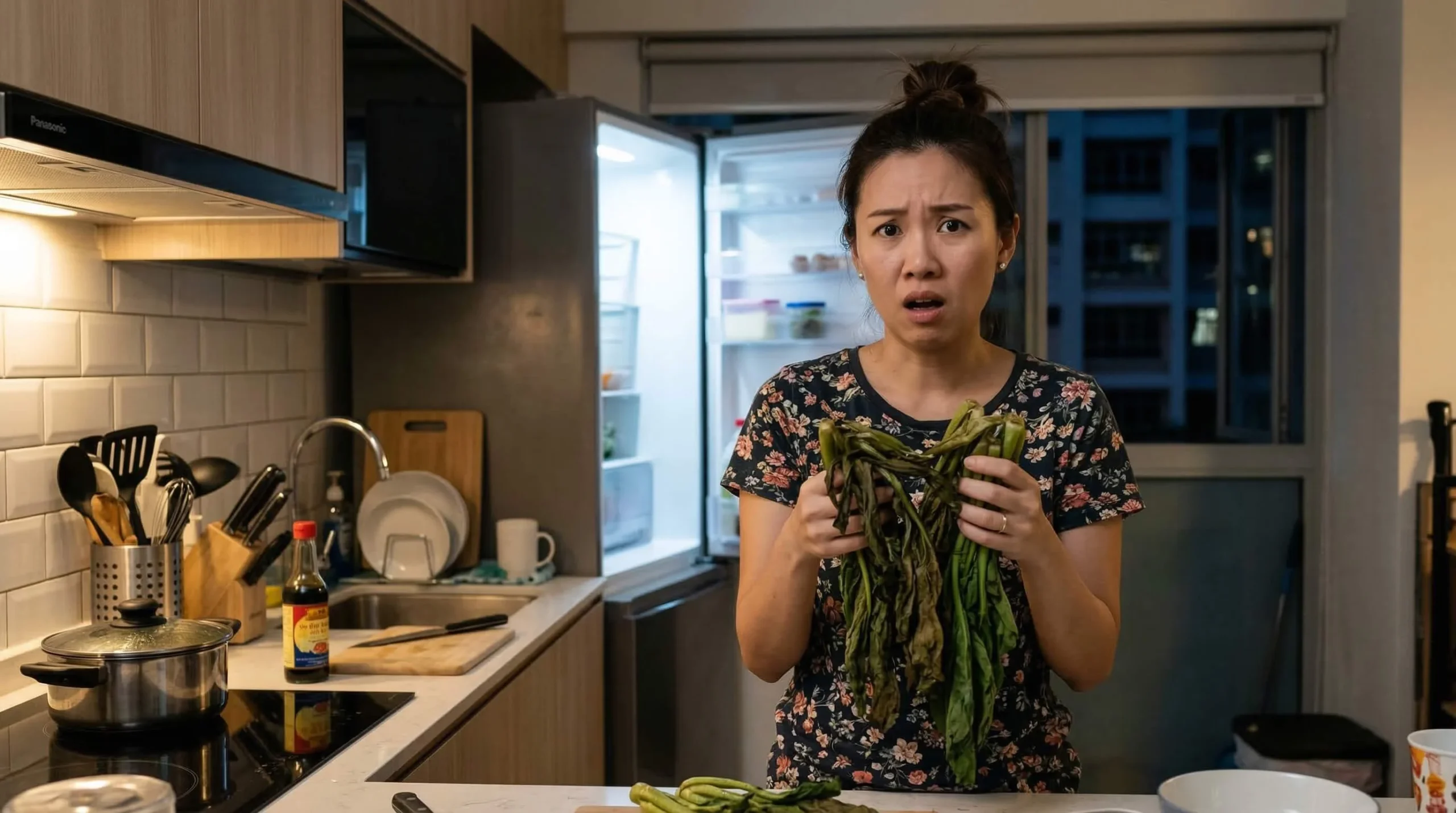

You buy fresh vegetables and chicken on Sunday, put them in the fridge properly, and by Tuesday they already smell off or look wilted. Food spoils faster in Singapore’s climate is something almost every household experiences. Our constant heat and humidity create the perfect conditions for bacteria and mould to grow quickly, even when you store things correctly. This guide explains exactly why it happens, when it’s normal, and practical steps you can take to make your groceries last longer without wasting money.
TL;DR – Why Food Spoils Faster Here
- High humidity and heat speed up bacteria and mould growth.
- Even in the fridge, moisture in the air shortens shelf life.
- Fruits, vegetables, cooked rice and leftovers are most affected.
- Simple habits like proper wrapping and fridge organisation help a lot.
- Buying smaller amounts more often is often cheaper than throwing away spoiled food.
Why Humidity and Heat Make Food Spoil Faster
Singapore’s climate is basically a 24/7 incubator for bacteria. Warm temperatures and high humidity create the perfect conditions for mould and microbes to multiply quickly. Even food stored in the fridge can spoil faster here because the air inside the fridge still carries moisture from our kitchens. This is why leftovers that last 4-5 days in cooler countries often go bad in 2 days here.
Why food spoils faster in Singapore climate?
Heat speeds up bacterial growth and humidity keeps food moist longer, giving microbes more time to multiply. Even proper storage can’t completely fight the climate.
💡 Did You Know?
In Singapore’s average 84% humidity, bacteria can double in number every 20 minutes at room temperature. That’s why food left out for even 2 hours can spoil much faster than in cooler countries — the warm, moist air is basically a breeding ground.
The Fridge Is Not Always Your Friend
Many people think the fridge solves everything, but in Singapore the fridge itself can become part of the problem. When you open the door in a humid kitchen, warm moist air rushes in and condenses. Over time this creates a damp environment that shortens the life of fresh produce and leftovers. Dirty seals and blocked vents make it worse.
If you’ve noticed your fridge sweating on the outside or inside, our fridge sweating Singapore guide shows exactly how this humidity problem starts and how to fix it.
Common Foods That Spoil Fastest Here
Fruits like bananas and mangoes ripen and rot quickly. Cooked rice and noodles can develop bacteria overnight if not cooled properly. Dairy, tofu and leafy vegetables also have very short shelf lives. The combination of heat and humidity means you have to be extra careful with storage methods that work in cooler countries.
If you’re also dealing with musty smells in the bathroom or clothes after drying indoors, our musty bathroom smell guide and clothes smell musty after drying guide show how the same humidity affects different parts of your home.
Practical Ways to Make Food Last Longer
The residents who waste less food follow a few simple rules: cool leftovers quickly and store them in airtight containers, buy smaller amounts more often, use the fridge’s different zones correctly (meat at the bottom, vegetables in the crisper), and clean the fridge regularly to stop mould. Some also use a small dehumidifier in the kitchen to lower overall moisture.
If your electricity bill is also higher because of extra fridge use or aircon, our electricity bill spike guide shows how humidity and appliance habits are connected.
Mini Quiz: Why Is Your Food Spoiling Fast? (Tap to reveal)
- Fruits and vegetables go soft in 2 days:
Click for answer
High humidity speeds up ripening and mould growth.
- Cooked rice smells sour after one night:
Click for answer
Bacteria thrive in warm, moist leftovers — fridge it immediately.
- Milk goes off before the expiry date:
Click for answer
Fridge temperature or door seal issue — check both.
When Food Spoilage Signals a Bigger Issue
Occasional spoilage is normal, but if everything seems to go bad much faster than usual, check your fridge temperature (should be 4°C or below) and door seals. Persistent problems can also come from poor kitchen ventilation or very high indoor humidity.
If you notice similar moisture issues around windows or walls, our condensation on windows guide explains how to control humidity across the whole flat.
✅ Do These to Keep Food Fresh Longer
- Cool leftovers quickly and store in airtight containers
- Buy smaller amounts more frequently
- Use the fridge crisper for vegetables and keep meat at the bottom
- Clean the fridge every 2 weeks
❌ Avoid These Habits
- Leaving cooked rice at room temperature for hours
- Overcrowding the fridge so air can’t circulate
- Storing wet vegetables without drying them first
Real Stories from Singapore Kitchens
“My vegetables used to go bad in 2 days. Started using airtight containers and the crisper drawer properly — now they last a week.” – Priya, mother of two in Tampines
“Cooked rice always spoiled overnight until I started cooling it completely before putting it in the fridge. Simple change, big difference.” – Wei Ming, 35, office worker
Expert Insight – Food Safety Advisor (12 years working with Singapore households)
“In our climate the rules are stricter. Cool food fast, store it properly, and don’t rely on the fridge to fix everything. Small habits like using airtight containers and buying less at once save money and reduce waste dramatically.”
A Personal Note
I’ve thrown away more spoiled food than I want to admit in my years living in HDB flats. The turning point was learning that our climate changes the rules. Now I buy smaller amounts, use airtight containers religiously, and cool leftovers immediately. The difference in waste and weekly grocery bill is huge. Small habits really do add up.
Official Resources & Further Reading
Your food also spoils faster than expected?
Tell us in the comments — what trick works best for you? Airtight containers, smaller shopping trips, or something else? Your tip might save someone else money and reduce waste.
Food spoils faster in Singapore’s climate because our heat and humidity give bacteria and mould a head start. Understanding this and making small changes to how you store and buy groceries can save money and reduce waste. You don’t need fancy equipment — just a few smart habits that work with our tropical weather instead of against it.
While you’re managing food storage, don’t forget the other small things around the home that affect daily comfort and costs. Our grocery prices Singapore guide, tap water taste guide, HDB corridor hotter than outside guide, clothes smell musty after drying guide, fridge sweating guide, musty bathroom smell guide, tap water taste guide and electricity bill spike guide all help keep the whole flat more comfortable and efficient.

About the Author: Ege Sg
Senior Daily Life Editor | Tropical Home Hacks Expert
Ege has spent years navigating the unique challenges of Singapore’s climate, from battling HDB humidity to optimizing weekly grocery budgets. By combining real-world testing in local kitchens with official guidelines from the SFA and NEA, Ege creates practical, fact-checked guides to help Singaporeans reduce food waste and live more efficiently.