The New Normal Nobody Announced in Singapore

It wasn’t a sudden revolution. It was a gradual update. And now, we realize we have traded the chaos of spontaneity for the safety of a booking confirmation.
Try to go swimming on a Sunday morning.
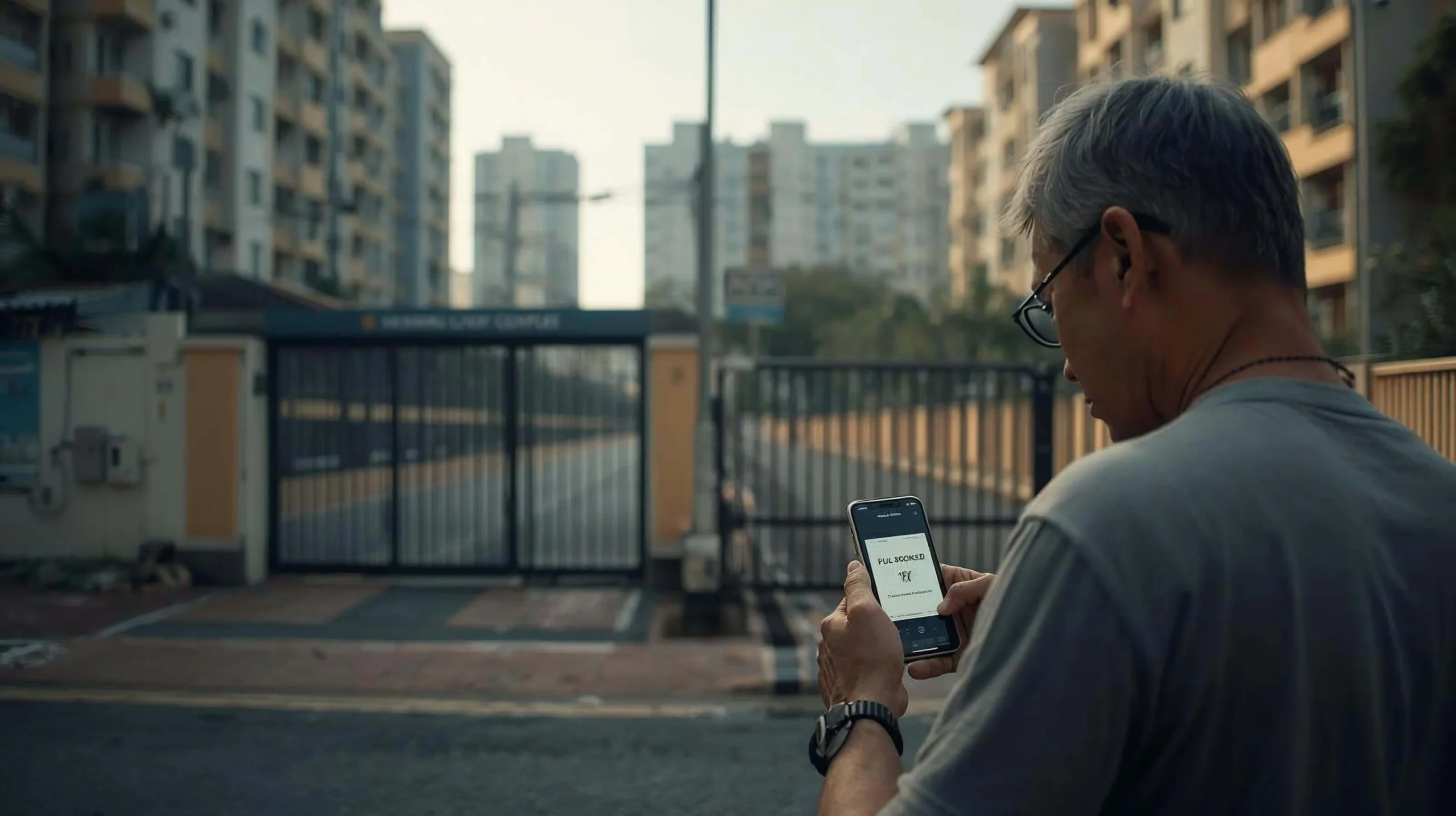
Don’t book. Just grab a towel, put on your slippers, and walk to your local ActiveSG complex. You know what happens. You get stopped at the turnstile. You pull out your phone. You see the greyed-out boxes. “Fully Booked.”
“Last time just go down can already,” an uncle mutters next to you, turning around to go home. He sounds resigned, not angry.
That resignation is the soundtrack of the new normal.
This quiet shift in how Singaporeans move through daily life — from booking swim slots to scanning QR codes — echoes a similar cultural change we observed in kopitiams across the city. In that piece, everyday routines at local coffee shops became a lens into how heartland social habits have been reshaped over time.
Something Has Shifted in Singapore Kopitiams
Somewhere between the pandemic and the present, the default setting of Singaporean life switched from “Open” to “By Appointment Only.” It isn’t just gyms. It’s BBQ pits. It’s visiting a museum. It’s collecting a passport. We have optimized the waiting out of existence, but we killed the spontaneity along with it.
The Great Quiet
It’s not just the logistics. It’s the noise.
Singapore used to be loud. Markets were loud. Taxis were chatty. Now? You get into a private-hire car, and the app asks you: “Quiet Ride?” You check the box. The driver nods. You ride in silence.
You go to McDonald’s. You tap a screen. You take a number. Nobody asks “having here or takeaway?” The machine knows. The human interaction has been shaved down to the bare minimum: the handover of a bag.
The Municipal Services Office (MSO) might call this “streamlined service delivery.” But on the ground, it feels like we are all living in slightly separate bubbles, gliding past each other without touching.
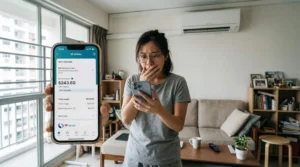
I realized this week I haven’t spoken to a cashier in three months. I just scan, beep, and walk. It’s efficient, sure. But it’s lonely.
| Activity | The Old Normal (2019) | The New Normal (2026) |
|---|---|---|
| Weekend Plan | “Let’s see where we end up” | “Did you book the slot 3 days ago?” |
| Taxi Ride | Driver talks about politics | “Quiet Ride” mode active |
| Shopping | Browsing the mall | Collecting parcels from a locker |
| Neighbors | “Kampung spirit” chats | WhatsApp Group complaints |
The “Admin” Life
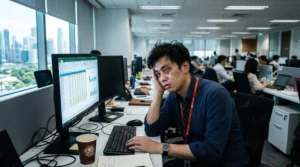
To live in Singapore now is to be a part-time administrator.
Every activity requires a login. Singpass is no longer just for taxes; it’s the key to the city. You need it to book a badminton court, to redeem a voucher, to register a pet. Our cognitive load is full of passwords and 2FA tokens.
The Illusion of Access:
The irony is that while everything is accessible online, it feels harder to get. The slots for the popular hawker stalls are pre-ordered on GroupBuy chats. The best library seats are “choped” digitally. Access is no longer about who comes first; it’s about who has the fastest fingers and the best Wi-Fi.
The Loss of the “Third Place”:
Sociologists talk about “Third Places”—spots that aren’t work or home. Coffee shops, void decks, parks. But when you have to book a park barbecue pit two months in advance via AXS, it stops being a third place. It becomes an event venue. It becomes work.
Official Context
This digitization is part of the Smart Nation roadmap. Agencies like OnePA and ActiveSG use booking systems to manage overcrowding and ensure fair distribution of facilities, especially in high-density estates.
🧠 What Stayed With Me
“I walked past a playground yesterday. The kids were playing. No bookings. No apps. No time limits. They were just… playing. It struck me that they are the only ones left in this city who are truly living in the moment. The rest of us are just living in our calendars.”