Food Poisoning vs Stomach Bug: The SG No-Panic Guide (What to Do)

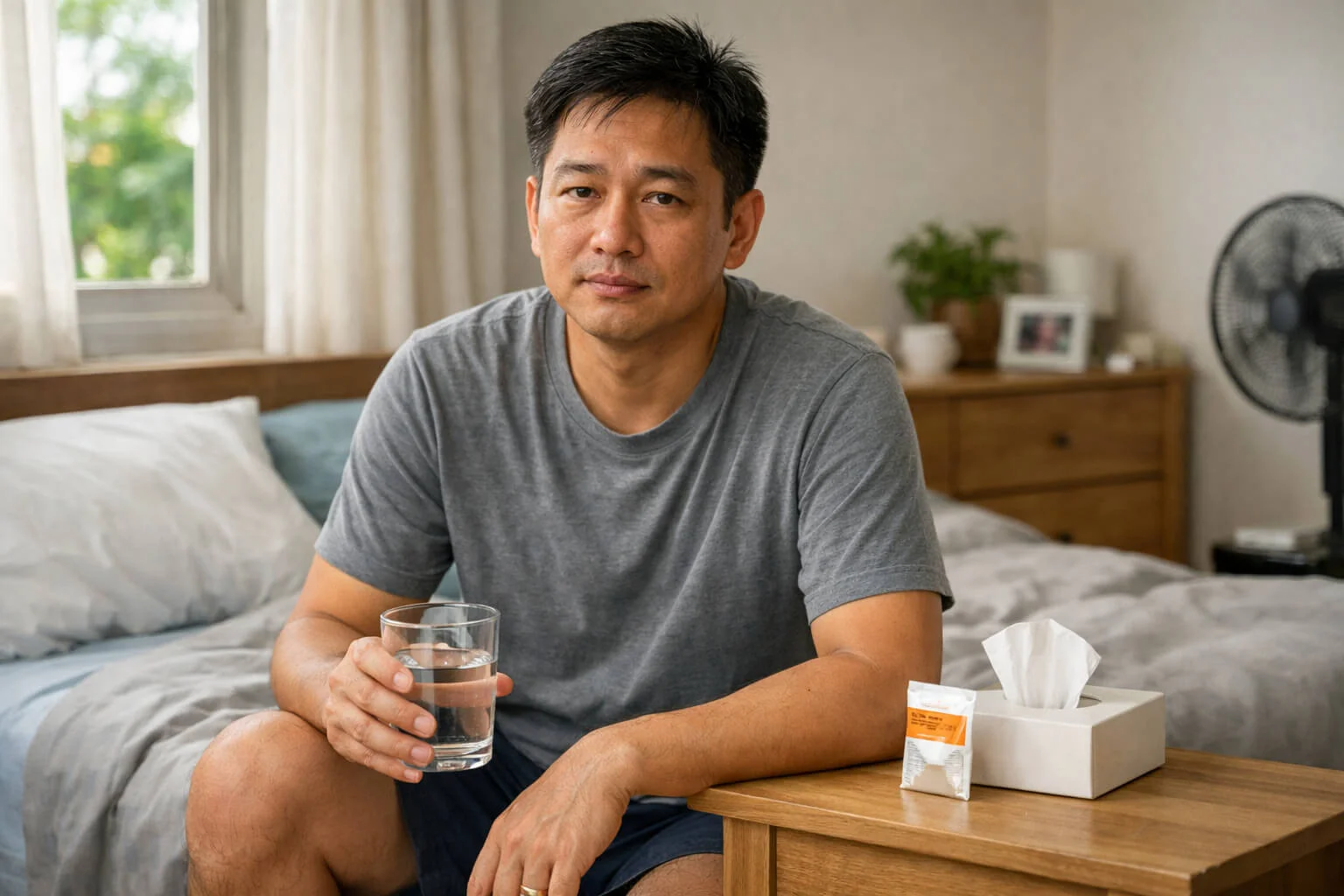

It hits fast and it hits hard. One minute you are finishing your lunch, and the next, your entire afternoon is cancelled. Here is the calm, step-by-step guide to surviving a gastro-emergency in Singapore without panicking.
⏱️ 30-Second Quick Guide
- Food Poisoning: Hits fast (2-6 hours after food). Severe vomiting.
- Stomach Flu: Takes longer (24-48 hours). Comes with fever and body aches.
- First Action: Stop eating. Sip 1 teaspoon of water or ORS every 5 mins.
- Local Tip: Buy Charcoal pills (Norit) from Watsons/Guardian to absorb toxins.
- Danger Sign: No pee for 6+ hours? Go to A&E.
The Singapore Moment: You Feel Fine — Then Suddenly You Don’t
It’s 1:30 PM. You just had a fantastic plate of cai fan (economy rice) at the hawker centre. You walk back to your office desk feeling completely normal. By 3:00 PM, a strange rumble starts. By 3:30 PM, you are sweating, shivering slightly, and mapping out the fastest route to the toilet.
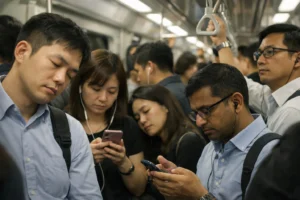
This is the classic stomach bug Singapore experience. It is terrifyingly sudden. Gastroenteritis Singapore what to do searches spike on Google every day because in our fast-paced food culture, gastrointestinal distress is incredibly common. We eat out constantly. We share food. We touch high-traffic surfaces like MRT handles. It is a numbers game.
When the cramps hit, the first instinct is to panic or self-medicate immediately. Don’t. Knowing diarrhoea vomiting what to do Singapore style is about pacing yourself, hydrating correctly, and reading your body’s signals.
Food Poisoning vs “Stomach Bug” (No Diagnosis, Just Clues)
You are lying in bed asking: “Was it that prawn I ate, or did I catch a virus from my colleague?”
Typical onset timing
How to tell food poisoning from stomach flu? You can’t be 100% sure without a lab test, but timing gives clues. Hawker food poisoning Singapore cases often hit aggressively and quickly—sometimes within 2 to 6 hours after eating the contaminated food. A viral “stomach bug” (gastric flu) usually has an incubation period of 24 to 48 hours. If your whole family ate the same dinner and everyone falls sick at the same time, it’s likely the food.
Common symptom patterns
Both cause nausea, vomiting, and diarrhoea. But a stomach flu vs food poisoning comparison often shows that viruses (like Norovirus) come with more systemic symptoms like body aches, low-grade fevers, and that “wiped out” flu feeling. Food poisoning often centers strictly on violent digestive clearing.
What people often misread
People often blame the very last thing they ate. But food takes time to travel. That stomach cramp at 8 PM might actually be from the undercooked egg you had at 8 AM, not the dinner you just swallowed.
The First 6 Hours: What to Do First (Safe Basics)
The first few hours are the worst. Your body is trying to expel the toxin. Let it happen safely.
Hydration logic in plain English
What to do in the first 24 hours of gastroenteritis? Do not chug a giant glass of water. If your stomach is inflamed, gulping water triggers the stretch receptors and makes you vomit again. Instead, take tiny sips. One teaspoon of water every five minutes.
Rest + temperature + simple comfort steps
Lie down. Keep the aircon at a comfortable temperature—you will likely oscillate between feeling freezing cold and burning hot. Put a cool, damp cloth on your forehead to manage the nausea.
Extra tip: After a stomach bug, fatigue can linger for a few days—especially if you’re already running on work stress, heat, and sleep debt. If you feel “wiped out” even after symptoms calm down, this guide may help you reset gently: Always Tired in Singapore: Work, Heat & Sleep Debt.
What to avoid doing (common mistakes)
Do not immediately take anti-diarrhoea pills (like loperamide) in the very first hour unless advised by a doctor. Your body needs to flush the bacteria out. Blocking the exit immediately traps the toxin inside your gut, which can prolong the illness.
The First 24 Hours: Eating Again Without Making It Worse
Once the violent vomiting stops, you enter the fragile recovery zone.
The “Singapore Auntie” Pharmacy Hacks
If you have enough energy to grab a GrabExpress delivery from Watsons or Guardian, these local staples are lifesavers:
- ⚫ Activated Charcoal Pills (Norit): The black pills are famous in SG. They bind to the toxins in your stomach and carry them out. (Warning: Your stool will turn black, don’t panic).
- 🔴 Po Chai Pills (Bao Ji Wan): The traditional Chinese medicine standard for generations of Singaporeans. Great for mild nausea and indigestion, but not for severe bacterial infections.
- 💧 De-fizzed 100Plus: The ultimate local mom remedy. But remember: Shake the bottle and let the gas out first. Carbonation will trigger more stomach cramps.
Gentle food approach
What to eat after vomiting? The local Singaporean remedy is actually perfect: plain, watery porridge. It is easy to digest. Western medical advice suggests the BRAT diet (Bananas, Rice, Applesauce, Toast). Stick to bland, white carbs.
What drinks can backfire
Avoid sports drinks with high sugar content (the sugar can draw more water into the gut and worsen diarrhoea). Avoid milk completely; your stomach loses the enzyme to digest lactose temporarily after an infection. Coffee is a strict no—it stimulates the bowel.
“I feel hungry but scared”
How to recover after food poisoning quickly? Listen to the hunger cue, but test the waters. Eat three spoonfuls of plain porridge. Wait 20 minutes. If it stays down, eat a bit more. What foods to avoid after stomach bug? No curry, no fried food, no dairy, no alcohol for at least 48 hours.
Dehydration: The Real Risk People Underestimate
The bug itself usually isn’t dangerous. Dehydration is.
Signs adults miss
Dehydration signs adults children exhibit can be subtle. Dark yellow urine (or not peeing for 6 hours), dry lips, and dizziness when standing up are red flags.
Oral rehydration Singapore solutions (ORS) are available at any Guardian or Watsons. They contain the exact ratio of salt and sugar needed to pull water back into your bloodstream. They taste slightly salty, but they work much better than plain water.
Kids and seniors: why the threshold is lower
Children and the elderly have smaller fluid reserves. They can dehydrate in a matter of hours. Safe rehydration tips when you can’t keep food down for these groups involves using a spoon or an oral syringe to give them fluids continuously, even if they protest.
When to Seek Help (Clear Red Flags, No Panic)
Most cases resolve in 24 to 48 hours with home care. But knowing when to see a doctor for stomach bug prevents complications.
Too Weak to Visit the Clinic? (The Telemedicine Hack)
If your symptoms are mild-to-moderate but you cannot stop running to the toilet, the last thing you want is to sit in a polyclinic waiting room for two hours. Singapore has excellent telemedicine options that are recognized by most employers for Medical Certificates (MC).
- Doctor Anywhere / WhiteCoat: Download these apps. You can video call a GP from your bed. They can assess you, issue a digital MC immediately, and deliver medication to your doorstep within hours.
- Cost: Tele-consultations typically cost between $15 – $25, which is highly competitive compared to private clinics.
- Note: If you have severe symptoms (blood, high fever), the tele-doctor will reject the consult and direct you to the A&E.
SG Emergency Cheat Sheet
Save these numbers. In a gastro-emergency, your brain won’t remember them.
Life-threatening only. Unconscious, breathing difficulty, or severe dehydration.
Non-emergency ambulance. Will take you to the hospital without using critical 995 resources.
Tech Tip: Use the HealthHub app to check live polyclinic queue times before leaving your house, or book a Tele-consult (Telemedicine) via apps like Doctor Anywhere to get your MC without leaving your bed.
Tech Tip: Use the HealthHub app to check live polyclinic queue times before leaving your house, or book a Tele-consult (Telemedicine) via apps like Doctor Anywhere to get your MC without leaving your bed.
Symptoms that shouldn’t be waited out
When diarrhoea is serious and needs medical help:
* You see blood or black, tarry substance in your stool.
* You have a high fever (above 38.5°C).
* You have severe, constant abdominal pain (not just pre-toilet cramps).
* You cannot keep *any* liquids down for 24 hours.
If it lasts beyond X days
If the vomiting lasts more than 2 days, or the diarrhoea lasts more than 3-4 days with no improvement, visit the GP or polyclinic.
Not sure where to go? If symptoms drag on or you need a proper assessment, here’s a simple breakdown of when a GP is enough versus when a polyclinic makes sense in Singapore: Polyclinic vs GP in Singapore.
What info to prepare
Tell the doctor what you ate in the last 48 hours, if anyone else in the household is sick, and any recent overseas travel.
Preventing the Next Round (Daily Life Hygiene Without Overkill)
How to prevent stomach bugs at home Singapore style doesn’t require bleaching everything.
Food handling basics at home
Wash your hands after handling raw chicken. Defrost meat in the fridge, not on the kitchen counter in the 30°C heat.
Lunch habits (office/fridge timing)
If you dabao (takeaway) food, eat it within two hours. Leaving a packet of chicken rice on your office desk from 12 PM to 5 PM before eating it is a bacteria breeding ground.
Household spread prevention
If someone has the gastric flu, do not share towels or utensils. Clean the toilet flush handle and taps with soap or disinfectant, as the virus spreads easily via bathroom surfaces.
Official Context & Safety Disclaimer
This guide provides general information and does not substitute professional medical advice. For severe symptoms, visit the nearest A&E or consult a doctor immediately. You can locate your nearest clinic using the HealthHub Clinic Locator. For guidelines on food safety and handling, refer to the Singapore Food Agency (SFA). General health advisories can be found on the Ministry of Health (MOH) website.
🕰️ One Small Moment
“I was convinced I was dying. I hadn’t kept water down in 12 hours. The polyclinic doctor looked completely unbothered. He didn’t give me a bag of pills. He gave me an MC, a packet of rehydration salts, and strict orders to eat nothing but plain porridge. ‘Your body is smart,’ he said. ‘It is evicting a bad tenant. Just give it water and let it work.’ He was right. 24 hours later, the tenant was gone, and I was eating toast.”
Quick Checklist (Save This)
✅ Do This
- Take tiny, frequent sips of water or oral rehydration solution (ORS).
- Rest as much as possible; your body uses immense energy to fight the infection.
- Monitor urine colour—if it’s dark yellow, drink more fluids.
- Stick to bland foods like plain porridge, toast, and bananas.
- Wash your hands thoroughly with soap for 20 seconds, especially after using the toilet.
- Disinfect shared bathroom surfaces if you live with others.
- Log what you ate in the last 48 hours to help trace the source.
- Eat takeaway food within two hours of purchase.
- Keep a packet of ORS salts in your home first-aid kit.
- See a doctor if you experience severe abdominal pain or bloody stools.
❌ Avoid This
- Do not chug large glasses of water immediately after vomiting.
- Do not consume dairy products (milk, cheese) for at least 48 hours.
- Do not eat spicy, fried, or high-fat foods.
- Do not drink coffee, alcohol, or high-sugar energy drinks.
- Do not take anti-diarrhoea medication in the first few hours without consulting a doctor.
- Do not share towels, cups, or utensils with family members.
- Do not prepare food for others while you are sick.
- Do not ignore signs of severe dehydration, especially in children and the elderly.
- Do not leave cooked food out at room temperature for more than two hours.
- Do not rush back to work; you are likely still contagious for 24-48 hours.