
MOH Expands CGM Subsidies for Diabetes Patients: Who Qualifies and What’s Covered


Context: The Push for Preventive Care
With diabetes remaining a significant national health challenge, the expanded access comes as Singapore advances its Healthier SG initiatives. By subsidising CGM sensors, policymakers aim to reduce severe hypoglycemic episodes that frequently result in emergency hospital admissions, easing long-term pressure on acute healthcare services.
Understanding the Subsidy Framework
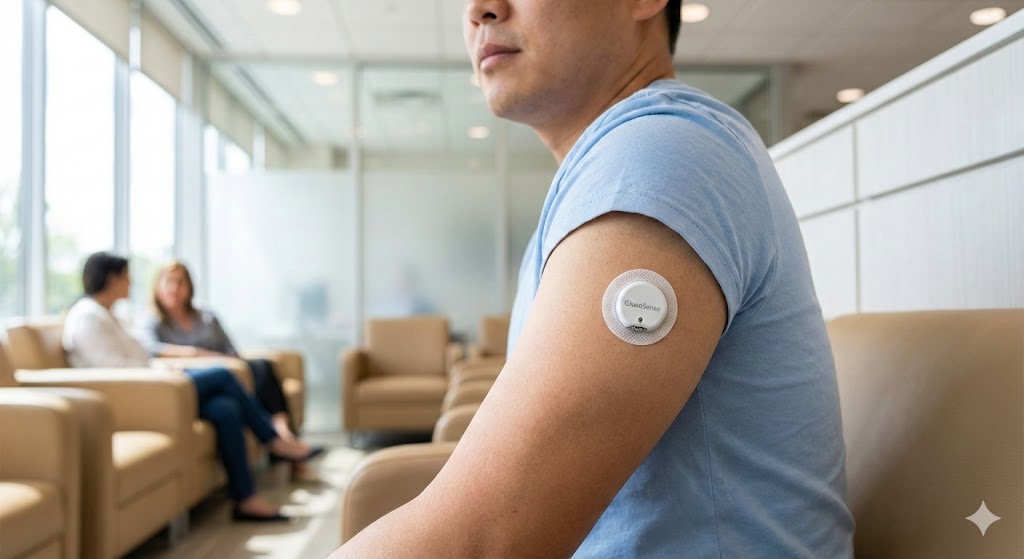
Continuous Glucose Monitoring devices provide real-time glucose readings without the need for frequent finger-prick testing. Without subsidies, monthly costs typically range between $200 and $500. Under the revised framework, eligible patients receiving care at public healthcare institutions may qualify for significant cost reductions based on means-testing through Per Capita Household Income (PCHI).
Who Qualifies for Support?
The subsidy expansion is intended for patients where clinical assessment indicates CGM use is medically appropriate. Key groups include:
- Type 1 Diabetes Patients: Individuals who rely entirely on insulin therapy and require continuous monitoring to manage glucose fluctuations.
- Complex Type 2 Diabetes Cases: Patients undergoing intensive insulin therapy involving multiple daily injections and experiencing difficulty maintaining stable glucose levels.
- High-Risk Patients: Individuals with a documented history of severe hypoglycemia or hypoglycemia unawareness, where early warning signs are reduced or absent.
Where to Seek Assessment
Subsidised CGM devices are available only through prescriptions issued by public healthcare institutions. Eligibility must be determined by a treating physician following clinical evaluation.
- Restructured Hospitals: Including Singapore General Hospital (SGH), Tan Tock Seng Hospital (TTSH), National University Hospital (NUH), and other public hospitals.
- Polyclinics: Selected SingHealth and NHG polyclinics equipped to manage complex insulin therapies.
Community Feedback & Implementation Considerations
Patient advocacy organisations and caregivers have consistently highlighted the financial burden of diabetes-related consumables as a key barrier to effective disease management.
Key Observations:
- Caregiver Support: Remote glucose monitoring capabilities allow caregivers to better manage risks for elderly patients and young children, particularly during overnight periods.
- Digital Accessibility: Public healthcare providers are expanding digital literacy support to help patients adapt to app-based monitoring systems required for CGM use.
Source: Information based on official Ministry of Health (MOH) policy updates and publicly available healthcare guidelines.
For detailed eligibility criteria, readers may refer to official MOH publications or consult public healthcare providers.