Singapore Elevator Etiquette: Mistakes People Notice

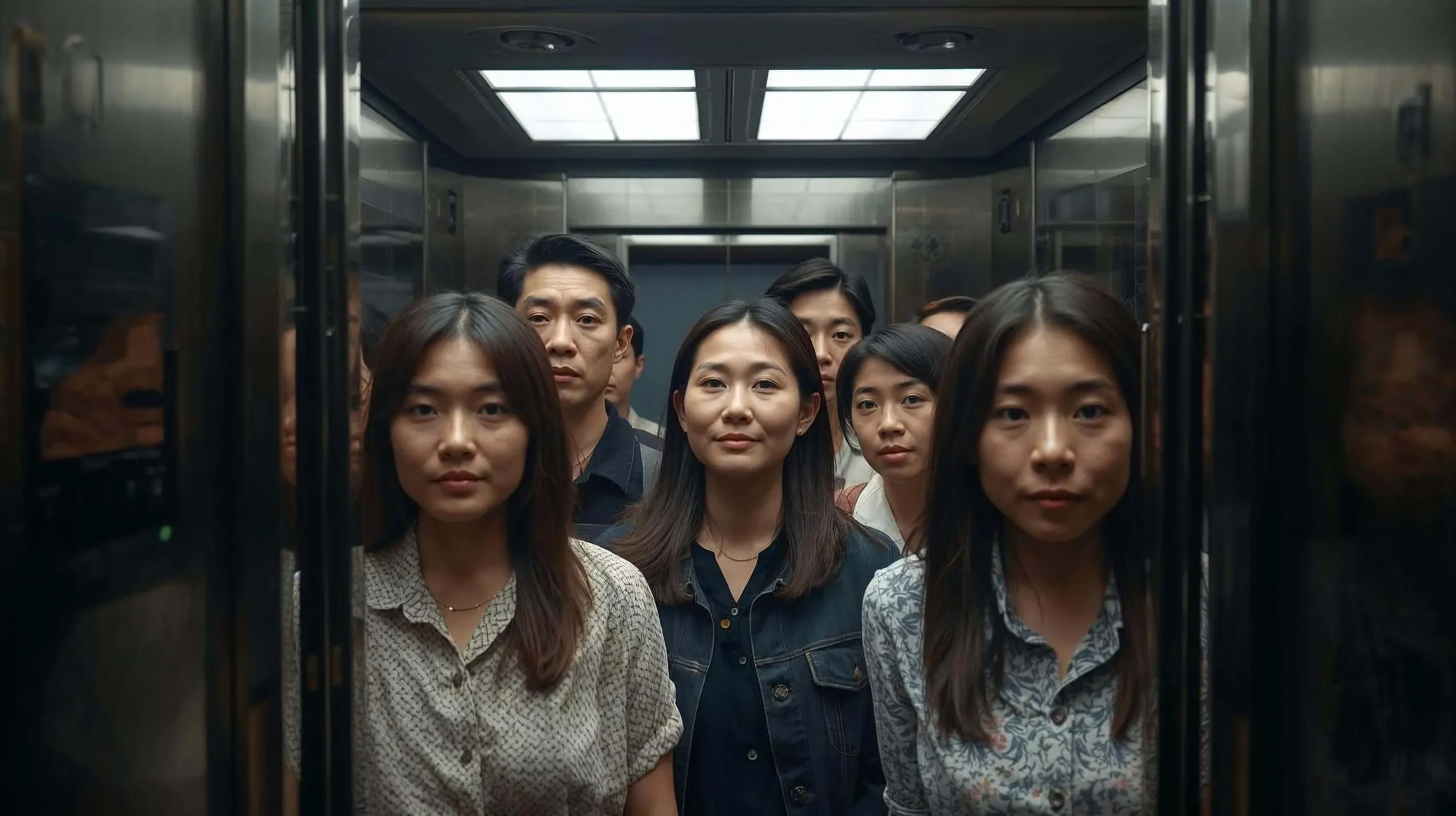

In a city built vertically, the elevator is the ultimate shared stage. Whether it’s an 8 AM rush in a 40-storey HDB or a quiet evening in a luxury condo, the few seconds you spend in that moving box say a lot about your urban literacy. Here is the unspoken code of the Singapore lift.
Don’t be that neighbor! 🤫
Short on time? Here’s the fast-game summary of lift etiquette in SG:
- Let them out first: Standard procedure, don’t rush in like it’s a sale.
- Corner is King: Move in deep so others can board.
- The “Door Captain”: If you’re near the panel, you’re in charge of the ‘Open’ button.
- Priority first: Uncles, Aunties, and strollers get the right of way, always.
Living in high-rise environments means that Singapore elevator etiquette isn’t just about being polite—it’s about survival and efficiency. With thousands of residents sharing just a few lifts, small friction points can easily turn into daily frustrations.
Understanding lift etiquette Singapore style involves more than just knowing where to stand. It’s about reading the peak hour elevator habits of your neighbors, navigating priority elevator use without being told, and avoiding those small elevator mistakes people notice but rarely mention. In a city as dense as ours, the elevator is where we practice the art of being “alone together.”
Why Elevator Behaviour Matters in Dense Urban Living
Singapore is a high-rise nation. Whether you are in a BTO or a CBD office tower, the elevator is the bottleneck of your daily journey. Elevator behaviour Singapore residents display is a reflection of shared space awareness. When you are in a confined space with six strangers, every move—from how you hold your phone to where you stand—impacts the comfort of everyone else.
This “micro-urban literacy” is what keeps the city moving. If everyone ignores the basic flow, the peak hour elevator Singapore experience becomes a series of missed connections and awkward stares. Being “lift-smart” is as essential as having a topped-up EZ-Link card.
Peak Hour Dynamics in Residential Blocks
The morning rush patterns in an HDB block are predictable. Between 7:30 AM and 8:30 AM, the lift is a high-stakes environment. HDB elevator behaviour dictates a “pack it in” mentality, but there is a limit.
💡 Pro-Tip for High-Floor Residents:
If you’re staying on a high floor during the 8 AM rush, check if your block has a “Zone” system. Sometimes taking the lift *up* to the top floor first ensures you get a spot before it gets fully packed on the way down. (Shh, don’t tell everyone!)
Reading When to Wait vs. Board
A seasoned resident can look at a lift and know instantly if there is room for one more. If the lift is already at 80% capacity and you are carrying a bulky gym bag, peak hour elevator habits suggest waiting for the next one. Forcing your way in and making everyone move their feet creates a “negative social credit” that lasts the whole ride.
Priority Use and Social Expectations
Priority elevator use is the golden rule. In the Singapore elevator etiquette manual, the elderly, wheelchair users, and parents with strollers always have the right of way.
- Silent Negotiation: If you see a resident with a walking frame approaching, the unspoken habit is to hold the door—even if you are late.
- Strollers and Bulky Items: If you are the one with the stroller, try to enter last or position yourself near the back corner so others can move around you.
🧐 Quick Quiz: Are you a “Steady” Neighbor?
You see the lift door closing and someone is 5 steps away. What do you do?
Entering and Exiting Flow Etiquette
This is where most lift etiquette Singapore errors occur.
1. **The Standing Zone:** If you are the first one in, move to the far corners. Standing right in front of the buttons or the door is a classic HDB lift rules violation.
2. **The Door Holder:** If you are near the panel, you are the designated “Door Captain.” It is your job to hold the ‘Open’ button for those entering.
3. **Let Them Out First:** The golden rule of condo elevator etiquette—and life—is to stand to the side of the doors and let people exit before you try to board.
Recognize anyone? The 5 People You Meet in an SG Lift 🎭
- 1. The Mirror Checker: Uses the 30-second ride to check teeth for lunch remains or fix their hair. We see you!
- 2. The Phone Ninja: Head down, scrolling TikTok, somehow knows exactly when it’s their floor without looking up.
- 3. The “Pioneer Generation” Hero: Holds the door for everyone, knows all the gossip, and always gives you a friendly nod.
- 4. The Ghost: Stands in the corner, breathes silently, disappears before the door even fully opens.
- 5. The Last-Second Sprinter: You hear them shouting “Wait ah!” from the other end of the void deck.
HDB vs. Condo Elevator Culture Differences
There are subtle condo lift etiquette differences compared to HDB blocks.
* **Traffic Density:** HDB lifts often serve more units per floor, leading to more frequent stops and higher peak hour elevator Singapore pressure.
* **Layout Impacts:** Some condos have private lift lobbies, which removes the social friction but increases the “awkward silence” factor when a visitor or contractor is present.
* **Visitor Patterns:** In condos, security guards often “send” delivery riders up, meaning residents need to be prepared for unexpected stops on floors that aren’t theirs.
These behavioural patterns are also influenced by neighbourhood pacing and demographic density. For broader context, read:Why Daily Life Feels Slower in Older HDB Neighbourhoods
The “Close Button” Paradox: In Singapore, pressing the ‘Close’ button while someone is still in sight is like committing a minor social crime. If you’re caught, the 30-second ride will feel like 30 minutes!
Small Mistakes People Quietly Notice
Small elevator mistakes people notice can make a 30-second ride feel like an hour:
* **Blocking the Panel:** Standing in front of the buttons so others have to reach around you.
* **Phone Distraction:** Being so engrossed in your TikTok feed that you don’t realize you’ve reached the lobby, holding up the queue.
* **Overcrowding Judgement:** Trying to squeeze into a lift when you are clearly “person number 15” in a 13-person lift.
Level of “Paiseh” (Embarrassment) Chart 📈
A personal note: I once lived on the 32nd floor of a very busy HDB. During the morning rush, if I saw the lift was full of school kids, I’d just take the stairs down three flights to the 29th floor where the other lift bank usually had a gap. It taught me that how locals behave in lifts Singapore style is often about finding the path of least resistance. A little bit of observation saves a lot of stress.
Community rhythm shapes shared-space behaviour beyond lifts — including food and social spaces. Explore the cultural angle:Why Older HDB Kopitiams Feel Quieter
Quick Checklist (Save This)
✅ Do This
- Stand to the side of the doors to let people exit before boarding.
- Move to the back corners if you are the first person in the lift.
- Hold the ‘Open’ button for the elderly, parents with prams, or those with groceries.
- Press the ‘Close’ button only *after* checking if someone is walking towards the lift.
- Face forward—it’s the universal “neutral” position that reduces awkwardness.
- Keep your volume low if you must talk on the phone.
- Step out temporarily if you are at the front and someone behind you needs to exit.
- Acknowledge a “thank you” with a small nod or “no problem.”
- Check the floor display so you are ready to exit promptly.
- Be patient on rainy days when everyone is using the lift to avoid the wet void deck.
Rainy-day congestion often comes from residents transporting laundry racks or damp clothes indoors.Avoid common mistakes here:Laundry Mistakes That Cause Musty Clothes in HDB
Carrying grocery bags during peak hours? Planning shopping smarter can reduce bulk and lift congestion.
See our guide:
Singapore Supermarket Savings Guide
❌ Avoid This
- Do not press the ‘Up’ and ‘Down’ buttons at the same time “just to see which comes first.”
- Do not ignore the weight limit alarm—if it beeps, the last person to enter should exit.
- Do not block the buttons with your body or bag.
- Do not stare at others in the mirror; the lift mirror is for checking your teeth, not your neighbors.
- Do not bring a bicycle or e-scooter into a crowded peak hour elevator Singapore.
- Do not leave trash or spillages in the lift; it’s a shared home.
- Do not force the doors open with your hands; use the sensor or the button.
- Do not stand right in the middle of the doorway when boarding.
- Do not use your umbrella to hold the door open from a distance.
- Do not forget that a little bit of space goes a long way in a high-rise city.
Official Context & Social Norms
For more on public graciousness and HDB living guidelines, visit:
What’s your biggest lift “Aiyoh” moment? 🙄
We’ve all been there—the awkward silence, the person who won’t move back, or the accidental eye contact in the mirror.
Share your funniest or most annoying elevator story in the comments below!
Does your HDB or Condo have its own “unspoken rules”? Let us know!
Editorial Note
High-rise living is part of everyday life in Singapore, and small shared-space habits matter more than many newcomers expect. This guide reflects observed social norms rather than formal rules, helping readers navigate common lift interactions smoothly and respectfully across HDB and condominium environments.