Singapore Bathroom Humidity: How to Stop Mold and Dry Faster

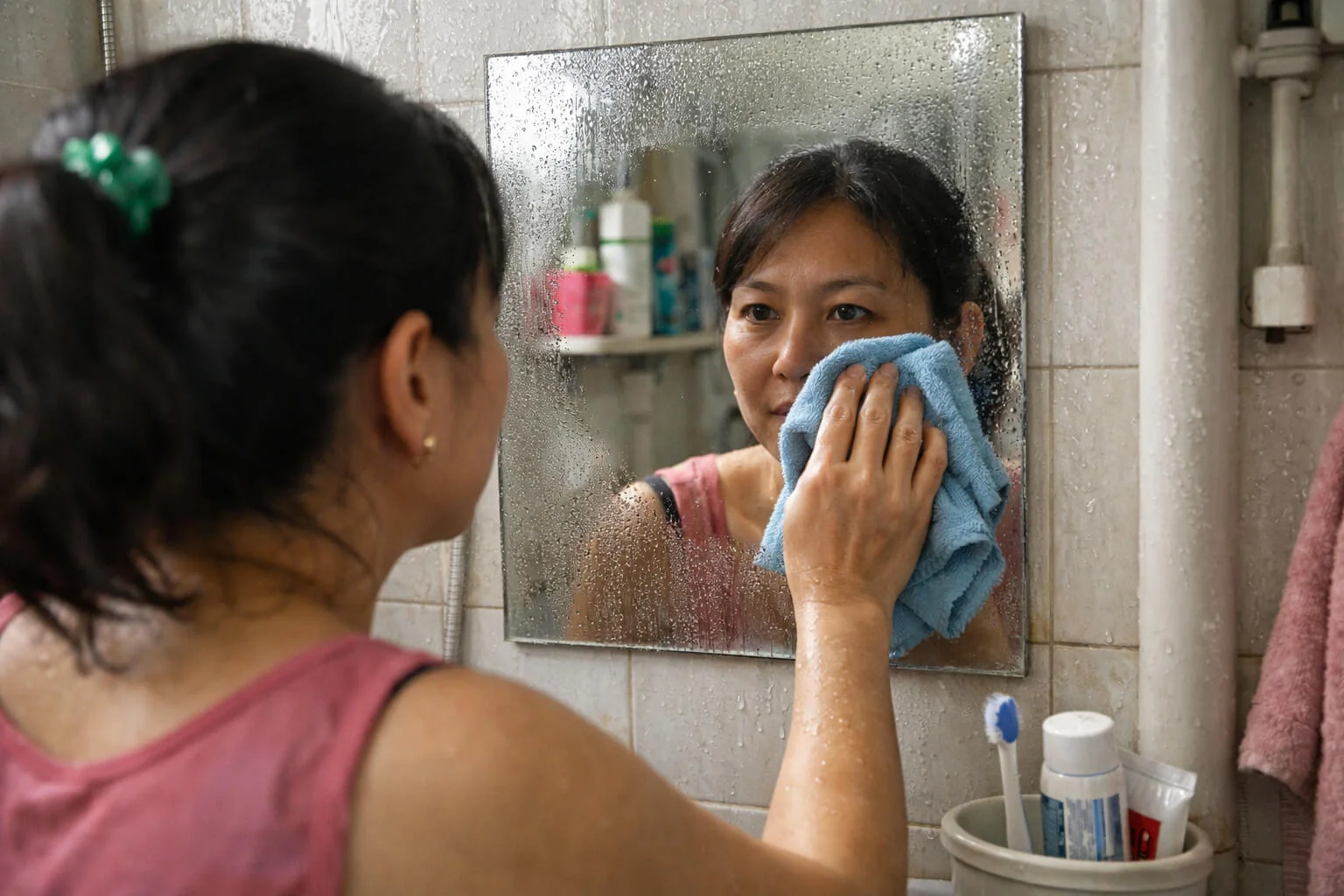

In the tropical heart of Southeast Asia, a dry bathroom is a luxury that often feels out of reach. If your walls are constantly weeping and those stubborn black dots are creeping across your ceiling, you are not alone—you are just fighting the island’s natural climate.
⏱️ TL;DR: The Quick “Dry Zone” Strategy
- The Door Rule: Never close your bathroom door fully after a shower. Leave a 10cm gap.
- The 30-Second Squeegee: Wiping down the tiles directly removes 90% of the moisture before it evaporates.
- Ditch the Cotton: Swap soggy fabric bath mats for Diatomaceous Earth (stone) mats.
Dealing with singapore bathroom humidity is a daily struggle for nearly every resident, whether you live in a heritage walk-up or a brand-new BTO. The air here is naturally heavy with moisture, and when you add a steaming shower to a confined space with limited windows, you create a greenhouse for fungi. This bathroom drying guide singapore explores why our toilets stay damp and how you can reclaim your space from the “wet zone” reality.
Most singapore bathroom mold issues start small—a faint grey smudge on the grout or a damp smell that won’t go away. However, without bathroom ventilation singapore residents can rely on, these small signs quickly turn into costly repairs. Understanding the science of bathroom drying singapore style is the first step to a fresher, healthier home environment.
Why My Bathroom Stays Wet: The Singapore Physics
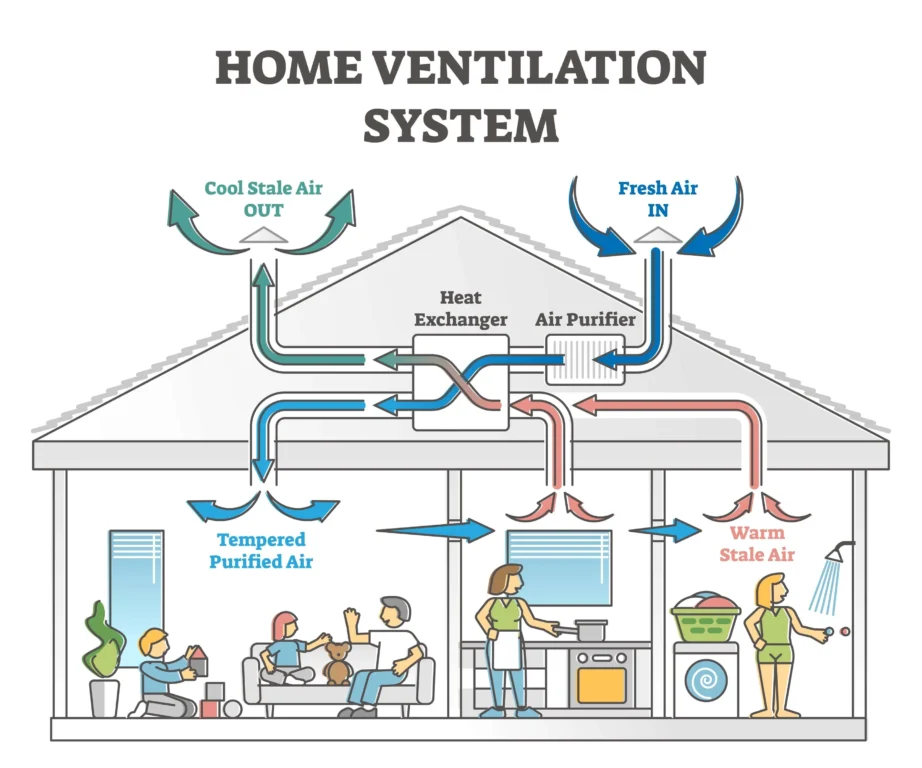
Singapore bathroom humidity remains high because outdoor air is already saturated with moisture, preventing fast evaporation after showers. Without strong cross-ventilation or active airflow, condensation can stay on tiles and ceilings for hours.
The core of the problem is a lack of cross-ventilation. Most HDB bathrooms feature a single louvred window that leads to a service yard or a small air-well. Because the air outside is often as humid as the air inside, there is no “dry” air to replace the steam. This leads to persistent bathroom condensation issues where water sits on tiles for hours, providing the perfect breeding ground for spores.
Living with compact spaces often means multiple comfort issues collide — from kitchen heat buildup to bathroom steam.
This Singapore small kitchen heat & layout guide
explains how compact flat layouts influence both airflow and daily comfort.
Furthermore, many modern condos use “mechanical ventilation” (exhaust fans) that are often underpowered for the sheer volume of steam generated by rain-showers. If your fan only runs when the light is on, the moisture remains trapped the moment you leave the room and flick the switch off.
Singapore Bathroom Mold Issues: Beyond the Surface
If you see mold spots ceiling bathroom dwellers often dread, it is a sign that moisture is rising and getting trapped in the stagnant air near the top of the room. This isn’t just an aesthetic problem; it can affect respiratory health over time. To prevent mold in bathroom areas, you must address the “micro-climate” of the room immediately after use.
Small Ventilation Tweaks for Bathroom Drying
You don’t need a full renovation to improve toilet ventilation. A few small ventilation tweaks for bathroom drying can make a massive difference:
- The “Door Gap” Rule: Never close the bathroom door fully after a shower. Leaving it slightly ajar allows drier air from the rest of the flat to circulate in.
Just as poor lighting can make a flat feel oppressive, insufficient airflow makes dampness worse. For ideas on improving light and ambience in compact Singapore homes, see:
Singapore indoor lighting and dim flats guide
.
- High-Velocity Fans: A small, waterproof clip-on fan pointed at the wettest corner can dry bathroom faster than any exhaust fan.
- Extended Exhaust Timing: If your exhaust fan is linked to your light, consider installing a timer or a separate switch so it can run for 20 minutes after you leave.
How to Stop Mold Forming on Bathroom Ceiling
Ceilings are the hardest to dry. To prevent mold spots in singapore bathroom ceilings, consider using anti-mold paint specifically formulated for high-humidity areas. Additionally, after a particularly steamy shower, use a long-handled squeegee or a microfiber mop to wipe the ceiling dry. It sounds tedious, but it saves hours of scrubbing later.
🚿 Quick Pop Quiz!
What is the absolute best thing to do right after a hot shower in your HDB flat?
Daily Routines That Reduce Bathroom Dampness
Moisture control in flat environments relies on consistent habits.
1. **The Squeegee Habit:** Spend 30 seconds wiping down the shower glass and walls. This removes 90% of the standing water that would otherwise evaporate into singapore bathroom humidity.
2. **Floor Mats:** Replace soggy fabric mats with diatomaceous earth (stone) mats. They absorb water instantly and don’t stay damp like cotton.
3. **Towel Placement:** Never hang wet towels inside the bathroom. Move them to the service yard where there is better bathroom airflow improvement.
Living in a densely stacked environment means moisture, light, and even sound cross boundaries easily.
Neighbors above or beside you can also impact living comfort — especially where walls are thin. Learn how other residents experience this here:
Singapore noise leakage and thin walls guide
.
The “Dry Zone” Toolkit: 2026 Edition
Forget the chemical sprays; these are the practical tools residents are using to combat moisture.
| Tool | Purpose | Effectiveness |
|---|---|---|
| Mini Dehumidifier | Pulls moisture from the air constantly | High (for small WCs) |
| Squeegee | Physical removal of surface water | Best for mold prevention |
| Diatomite Mat | Dries feet without holding moisture | Excellent hygiene boost |
| Anti-Mold Spray (Natural) | Inhibits spore growth on grout | Great maintenance tool |
💬 We want to hear from you, lah!
Every flat is a bit different. Do you have a secret weapon against bathroom mold? Are you Team Dehumidifier, or do you swear by a specific brand of anti-mold spray from FairPrice?
👇 Drop your best tips in the comments below and let’s help each other keep our homes dry!
A personal note: I used to live in a studio where the bathroom had no window at all. Within two months, the ceiling looked like a charcoal drawing. I realized my mistake was “hiding” the dampness by closing the door. I started leaving the door wide open and bought a cheap $30 desk fan that I’d turn on after my shower. The difference was night and day. This bathroom drying guide singapore is born out of that humid frustration—sometimes the simplest airflow beats the most expensive scrub.
Official Resources & Maintenance
For official advice on home maintenance and moisture control, visit: