Why Singaporeans Are Responding More Quietly to the Latest Fare Hike


Five years ago, a 10-cent fare hike would have sparked a week of angry forum letters. Today? We just tap, sigh, and forward the CDC voucher link. Inside the new mood of resignation.
The breaking news alert flashed on thousands of screens across the East-West Line at exactly 6:00 PM.
It was the confirmation: Public transport fares were officially up again. Another 10 cents per journey for adults. Cash fares up 20 cents. It was the kind of headline that, in 2018 or 2022, would have triggered a collective national groan loud enough to be heard in JB.
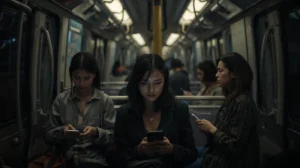
I looked around the train carriage. I waited for the “Walao eh!” I waited for the furious typing of a 500-word Facebook rant.
Nothing happened.
A student in a Uniqlo shirt glanced at the notification, swiped it away, and went back to watching a TikTok of a cat. An office lady frowned for a micro-second, then opened her calculator app, punched in a few numbers, and closed it. The train kept moving. The silence was deafening.
This is the strange new atmosphere of 2026. Singapore public reaction to policy shifts has mutated. We have moved from a “Political” mindset—where we debate the fairness of the cost—to an “Operational” mindset—where we simply calculate how to survive it.
The “Offset” Psychology
Why the silence? It’s not because we are happy. It’s because we have been “Voucher-ized.”
In the same week as the fare hike, the new tranche of CDC Vouchers for 2026 dropped. It is a masterclass in behavioral economics. The pain of the price hike is real (permanent), but the pleasure of the free $300 is immediate (temporary). The government has successfully trained us to focus on the sugar, not the medicine.
I spoke to Mr. Bala, a taxi driver taking a break in Bedok. “Complaint no use one,” he said, waving a cigarette. “Fare go up, electricity go up. But government give voucher right? Take the voucher, buy rice, shut up and drive. Noise cannot fill stomach.”
This is the quiet response to policy changes Singapore is witnessing. It is a transactional relationship. As long as the “rebates” keep flowing, the resentment stays managed. We aren’t fighting the system; we are just trying to break even against it.
The Fatigue of “Another One”
There is also a deeper, heavier reason: Change Fatigue.
Since 2023, we have weathered the GST hike (8% then 9%), the water price hike, the carbon tax hike (now $45/tonne), and multiple transport adjustments. The human brain has a limited bandwidth for outrage. Eventually, the shock wears off.
This sense of exhaustion isn’t just emotional — it’s financial.
For many households, the feeling that everyday expenses are rising faster than wages
has become a constant background pressure.
Why Singapore’s cost of living feels higher in 2026
breaks down how accumulated price increases are reshaping daily decisions across the city.
The “Latest Announcement” feels less like a crisis and more like just another Tuesday.
The “Boiled Frog” Effect:
“I don’t even check the electricity bill details anymore,” admits Sarah, a marketing exec in Punggol. “I just see the final number. If it’s below $150, I pay. If it’s above, I scold my husband for using the dryer. I don’t have the energy to analyze the tariff rates anymore.”
We have normalized the state of constant inflation. Resilience, in this context, looks a lot like numbness.
It feels like we are all playing a video game where the difficulty level keeps increasing every level, but we are too addicted to quit playing.
| The Event | The Old Reaction (2020) | The New Reaction (2026) |
|---|---|---|
| Fare Hike (+10 cents) | Online petition: “Stop the hike!” | Silent math: “That’s $4 a month. Okay lor.” |
| Policy Announcement | Share with angry caption | Share with “Sian” sticker |
| Coping Mechanism | Complain to MP | Wait for CDC Voucher link |
| Mood | Indignation | Pragmatism |
The Retreat to “Dark Social”
But don’t mistake silence for consent.
The noise hasn’t disappeared; it has gone underground. Marketers call this “Dark Social.” It’s the conversations happening in encrypted WhatsApp family chats and Telegram groups.
If you could see inside the “Family ❤️” group chats of Singapore right now, you wouldn’t see silence. You would see memes. Savage, cynical, hilarious memes about paying for cai fan with installments. You would see links to “JB shopping guides.”
What Singaporeans are saying after government update isn’t being said on CNA’s Facebook page anymore. It’s being said in private. We have privatized our dissent.
What This Means for Residents
We are becoming a nation of “Workaround Artists.”
Instead of protesting the carbon tax, we are buying smart plugs to monitor usage. Instead of protesting the fare hike, we are waking up 15 minutes earlier to catch the pre-peak travel discount. We don’t try to change the rules; we just try to hack them.
It is impressive. It is efficient. But it is also a little bit sad. The Singapore heartlands reaction is no longer a roar; it is the quiet, rhythmic tapping of a calculator.
Official Context
The latest fare adjustment formula includes a “deferred fare quantum” from previous years, meaning costs were actually kept lower than the maximum allowable formula. The government has committed an additional $200 million in subsidies for 2026 to cushion the impact, alongside the Public Transport Vouchers for lower-income households.
🕰️ One Small Moment
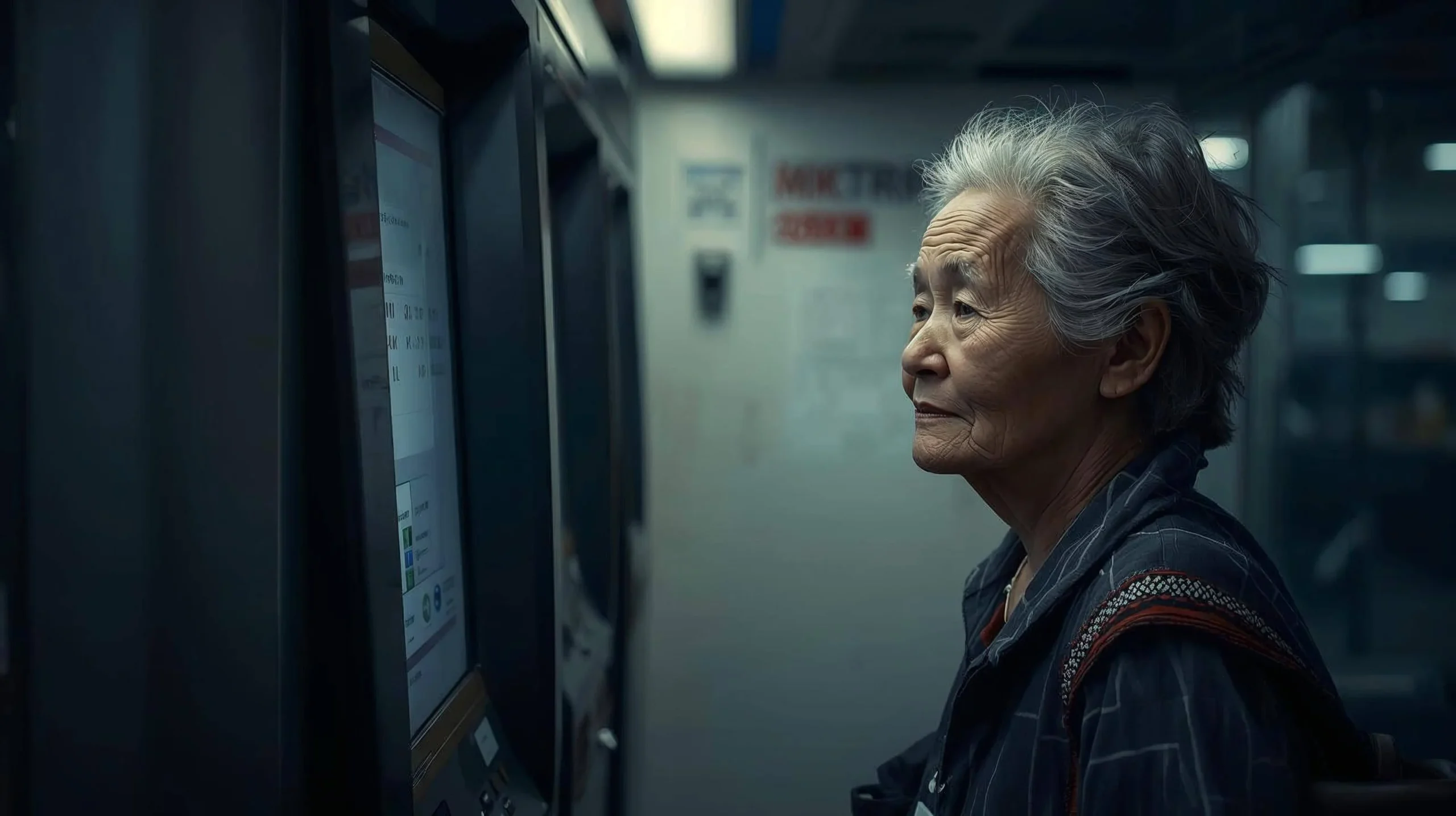
“I saw an auntie at the ticketing machine yesterday. She was topping up her card. The screen showed the new balance. She stared at it for a long time. She didn’t tut. She didn’t shake her head. She just gently patted her purse, as if to comfort it, and walked through the gate. That gesture stayed with me. It was the universal sign of 2026: Painful, but must go on.“
This article is part of SGVital’s ongoing observation of how policy changes,
economic pressure, and daily life are quietly reshaping emotional behaviour
across Singapore’s heartlands.