The Real Cost of Living in Singapore Isn’t in the Official Numbers


Official reports say inflation has stabilized at 1.5%. But for the average resident trying to buy groceries or take the MRT, the math doesn’t seem to add up.
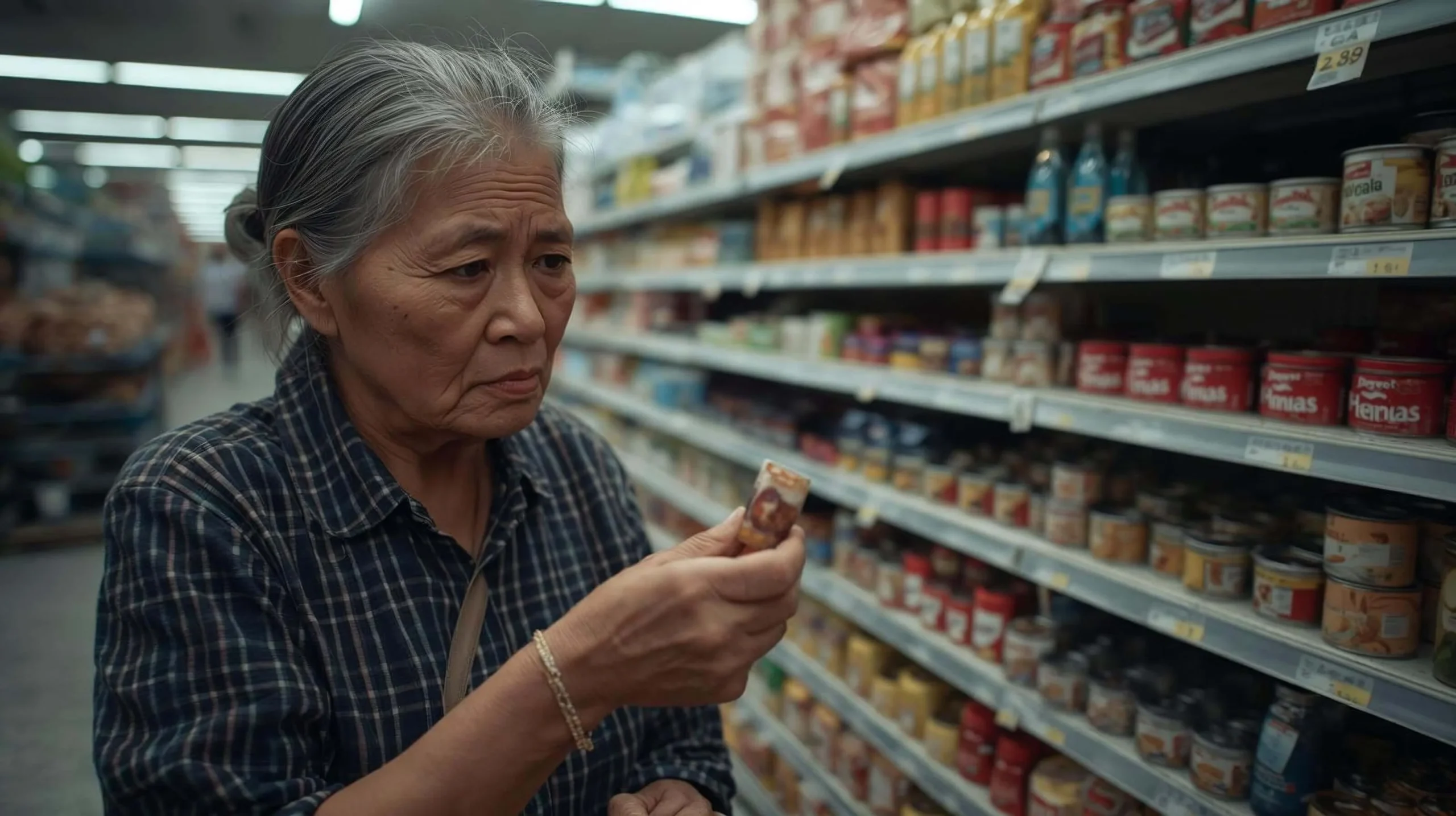
Stand in the aisle of the FairPrice Finest at Marine Parade on a Sunday afternoon.
Watch Mrs. Teo. She isn’t looking at the price tag. She is looking at the weight. She picks up a packet of biscuits. She frowns. She weighs it in her hand. “Last time bigger pack,” she mutters to no one in particular. “Now price same, but inside only got air.”
She puts it in her basket anyway. What choice does she have?
This scene explains the Singaporean economic mood in 2026 better than any MAS report. On paper, we are doing fine. The headline inflation rate is hovering around a manageable 1.5%. The scary days of post-pandemic spikes are over. Yet, ask anyone on the street—from the Grab driver to the office manager—and they will tell you the same thing: “Money feels smaller.”
We are living through a disconnect. There is the “Official Economy” of charts and averages, and then there is the “Wallet Economy” of everyday prices Singapore residents actually pay. And in 2026, the Wallet Economy is being hit by invisible cuts.
The “10-Cent” Death by a Thousand Cuts
The problem isn’t one big explosion. It’s the shrapnel.
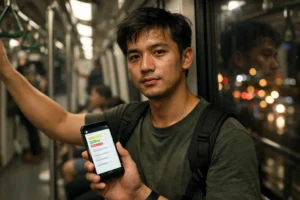
Take your morning commute. The Public Transport Council raised fares by roughly 5% at the end of 2025. On your EZ-Link card, that’s just 10 cents per trip. It looks negligible.
But calculate it. That’s 20 cents a day. $1 a week. $50 a year. It’s one less chicken rice lunch.
Then check your electricity bill. The carbon tax hike kicked in this year, jumping from $25 to $45 per tonne of emissions. You don’t see a line item for “Carbon Tax” on your SP Group bill. You just see that the tariff rate crept up by a fraction of a cent. Again, invisible.
We call this “Micro-Inflation.” It’s not the price of the house that kills your mood; it’s the fact that the Kopi O at the void deck is now $1.60 instead of $1.40, and the cup feels slightly smaller.
This quiet shift isn’t just about prices. It’s also changing the atmosphere of everyday spaces.
In older estates, even kopitiams — once loud, social anchors of the neighbourhood —
are becoming noticeably quieter as habits, demographics, and daily routines change.
Why older HDB kopitiams now feel so different
is part of the same slow, invisible adjustment many residents are experiencing.
The Shrinkflation Reality Check
Mrs. Teo wasn’t imagining things in the supermarket.
Shrinkflation—reducing the size of a product while keeping the price the same—has become the preferred tactic of manufacturers in 2026. It allows companies to claim “stable prices” while effectively raising the cost per gram.
The government knows this. That’s why supermarkets are now piloting “Unit Pricing” labels (e.g., Price per 100g). But let’s be honest: who has time to do long division in the detergent aisle? We just grab the bag that looks familiar, unaware that it’s 50ml lighter than it was in 2024.
I swear my favorite chocolate bar has lost weight. I ate it in two bites yesterday. It used to take three.
| The Item | The “Paper” Price (2024 vs 2026) | The “Real” Feeling |
|---|---|---|
| Transport | +10 cents/trip | “Why my card value drop so fast?” |
| Hawker Meal | $4.50 -> $5.00 | “Add egg now $1. Cannot liao.” |
| Electricity | Marginal tariff hike | “Air-con on 25°C only, scared bill explode.” |
| Potato Chips | Price unchanged ($4.95) | “Bag is 20g lighter (Air is free).” |
The “Sticky” Highs
Economists talk about prices being “sticky downwards.” That’s a fancy way of saying: Prices go up like a rocket and come down like a feather.
When the GST hit 9% in 2024, every merchant adjusted their prices. Some rounded up “for convenience.” Now that global inflation has cooled, have you seen anyone round down?
Of course not.
The baseline for Singapore cost of living 2026 has simply reset. $5 is the new $3. We have normalized paying $20 for a salad in the CBD. We have normalized $2,500 rent for a room in a condo. The shock has faded, replaced by a dull ache in the bank account.
The Middle-Income Squeeze
The pressure is most acute for the “Sandwich Class.”
If you are low-income, the government helps you. You get GST Vouchers, CDC Vouchers, and transport subsidies. If you are wealthy, you just complain about the COE and buy the car anyway.
But if you earn $6,000 a month? You are too rich for help, but too poor to ignore the price hikes. You absorb the full force of the inflation Singapore 2026 brings.
You are the one staring at the Sustainable Aviation Fuel levy added to your holiday ticket and deciding to go to Batam instead of Bangkok. You are the one cancelling the Netflix subscription because “every dollar counts.”
What This Means for Residents
We are entering an era of “Defensive Spending.”
The Rise of House Brands:
The stigma of buying “House Brand” cereal or toilet paper is dead. In 2026, buying the FairPrice brand isn’t cheap; it’s smart. We are trading brand loyalty for survival.
The “Side Hustle” Normalization:
Notice how many of your colleagues are selling baked goods on Instagram or driving GrabHitches on the way home? The salary alone often doesn’t feel safe enough. We are diversifying our income just to keep up with the Singapore economy daily impact.
Official Context
The Monetary Authority of Singapore (MAS) projects core inflation to average around 1.5% in 2026. However, they acknowledge “upside risks” from domestic cost adjustments like the carbon tax and public transport fares. The government continues to issue Cost-of-Living Assurance Packages to mitigate these impacts.
⏳ After Watching This for a While
“I sat at a kopitiam and watched a young guy order Kopi C. The uncle said ‘$1.70.’ The guy paused. He checked his pockets. He changed his order. ‘Kopi O alone, uncle.’ That pause. That tiny, split-second calculation. That is the real economic indicator of 2026. We are all just pausing a little bit longer before we pay.”
📝 Editorial Note
This article reflects everyday observations of how cost pressures are experienced on the ground in Singapore,
rather than how they appear in official statistics.
By focusing on small, routine transactions — transport fares, grocery sizes, kopitiam prices —
it documents how economic stress often shows up not as shock, but as hesitation.