
Singapore Heat Headache: Why It Feels Worse
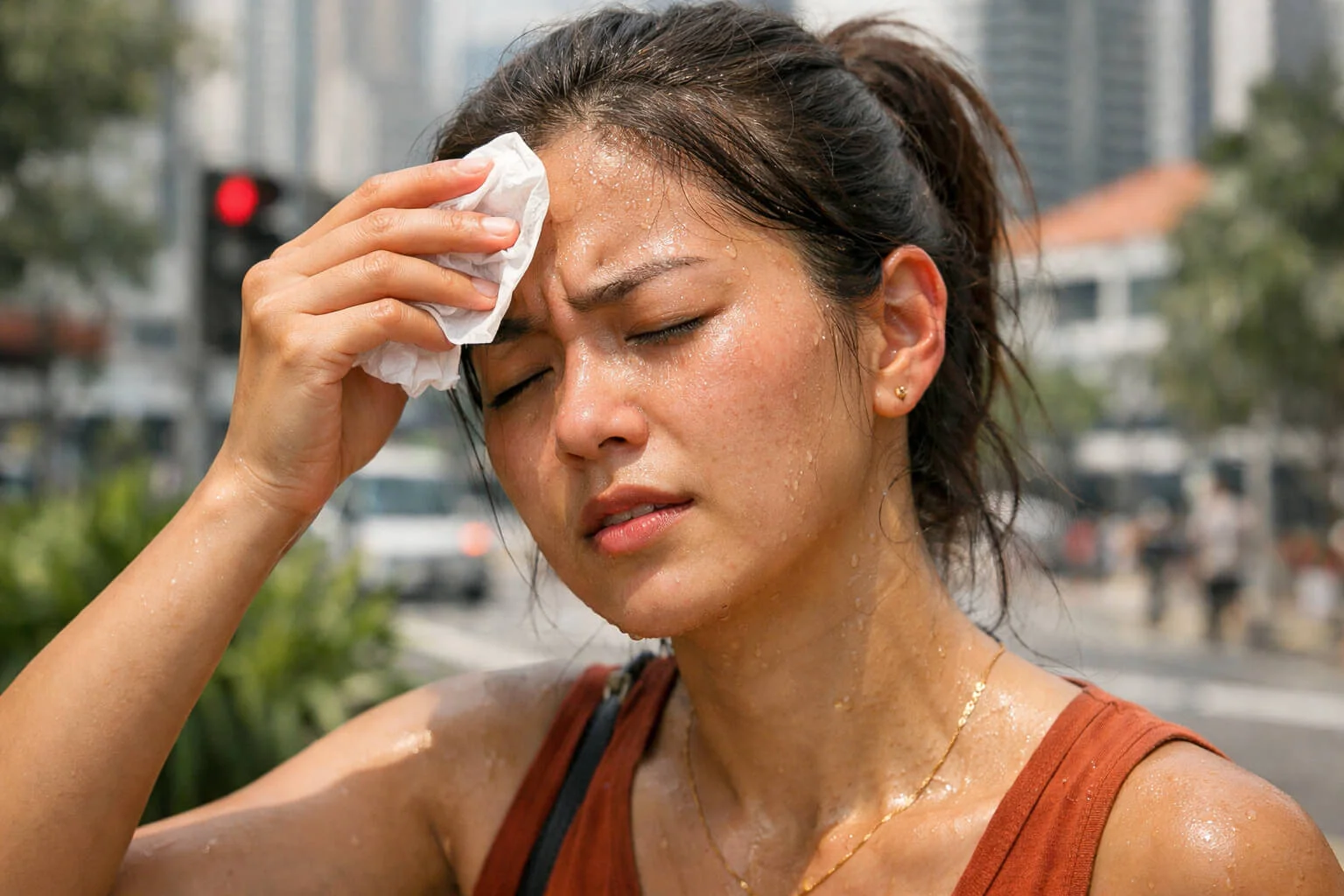

You step out of the office for a quick lunch. Five minutes in the blazing sun, and you already feel that familiar, dull throbbing behind your eyes. By the time you get back to your desk, the pain is fully locked in. Here is why the island’s climate is a perfect storm for your head.
- The singapore heat headache is primarily caused by blood vessel dilation (vasodilation) and rapid fluid loss.
- Moving constantly between 33°C outdoor humidity and 19°C indoor air-con creates a “temperature whiplash” that triggers tension headaches.
- Plain water isn’t enough; you lose vital electrolytes through sweat, which are essential for preventing a fluid loss headache.
- High humidity limits sweat evaporation, raising your core body temperature faster and triggering weather-related migraines.
Living near the equator means dealing with intense weather patterns, but many residents don’t realize the physical toll it takes on their bodies. Experiencing a singapore heat headache is incredibly common, yet it is often dismissed as just being “tired” or “stressed.” The reality is that our environment actively works against our body’s cooling systems.
From the blazing midday sun to the sudden downpours that spike the moisture in the air, headaches in hot weather singapore residents face are deeply tied to meteorology. Whether you are battling a humidity headache singapore throws at you during the monsoon season or a dehydration headache singapore style after a long walk to the MRT, understanding the triggers is the only way to find lasting relief.
The Reality of Headaches in Hot Weather Singapore
A tropical climate headache isn’t just in your mind; it is a physiological response. When the environment gets hot, your body has to work overtime to maintain its core temperature of 37°C.
Why do headaches feel worse in singapore heat?
It comes down to vasodilation. To release heat, the blood vessels near the surface of your skin and in your head expand to increase blood flow. This expansion puts pressure on the nerve endings surrounding the brain, causing that familiar throbbing sensation. The hotter it gets, the wider the vessels open, and the worse the headache feels.
Can humidity cause headaches in tropical countries?
Absolutely. Sweat is your body’s natural air-conditioning. But in a highly humid environment like Singapore, the air is already saturated with moisture. Your sweat cannot evaporate quickly. Because you can’t cool down efficiently, your core temperature stays elevated, leading to climate related headaches and a rapid feeling of exhaustion.
The Hidden Triggers: Sweat, Sun, and Sudden Chills
Headache after walking in singapore sun
If you get a headache after being in sun for just 15 minutes, you are likely experiencing a combination of glare and heat. The intense UV glare causes you to squint, which creates muscle tension in your forehead and neck. Combined with the heat expanding your blood vessels, it’s a fast track to a migraine.
Headaches from glare and tension can also be linked to posture and spine alignment — especially after long commutes on the MRT or desk work.
This Singapore posture and back pain guide
explains how spine strain contributes to head and neck discomfort.
Does aircon trigger headaches in humid weather?
Yes. Moving from the sweltering heat of Orchard Road into a freezing mall creates “barometric trauma” for your sinuses and blood vessels. The sudden cold causes those expanded blood vessels to constrict rapidly. This aircon headache cause is essentially a muscle spasm in your head and neck, mimicking the pain of a tension headache.
Dry eyes, sore throat, and sinus irritation often accompany air-conditioning use — all of which can worsen a heat-triggered headache.
This Singapore air-con health guide
covers related symptoms many residents experience.
Why headache increases during rainy humid days
Before a heavy tropical thunderstorm, the barometric (air) pressure drops. This sudden change in atmospheric pressure creates an imbalance between the air outside and the air inside your sinus cavities. This pressure shift is a well-documented trigger for a weather triggered migraine.
Expert Insight / Analysis (E-E-A-T)
“In tropical urban environments, heat-related headaches are frequently misdiagnosed as simple tension headaches. The ‘Urban Heat Island’ effect traps heat in concrete structures, meaning residents experience prolonged thermal stress even after the sun sets. When managing a fluid loss headache, replacing sodium and potassium is just as critical as replacing the water volume lost to insensible sweating.” — General Medical Consensus on Tropical Heat Stress
Dehydration Headache Singapore: More Than Just Being Thirsty
You might think you are drinking enough water, but heat related headache symptoms often appear before you even feel thirsty.
If rehydration and lifestyle changes aren’t enough, many residents consider local over-the-counter relief options.
This OTC medicine guide for Singapore
explains safe, common pain relief choices available at pharmacies.
🤔 Quick Quiz: Is it just a normal headache, or are you dangerously dehydrated?
Answer this honestly: When was the last time you checked your urine color today?
👉 Clear/Pale Yellow: Good job, lah! You are hydrated. If your head still hurts, it might be the aircon whiplash or posture.
👉 Dark Yellow/Apple Juice color: Danger zone! Your brain is literally pulling away from your skull due to fluid loss. Go grab a coconut water now!
👉 Not sweating even when hot: Medical emergency! This is a sign of heatstroke. Seek the nearest polyclinic or clinic immediately.
Dehydration symptoms adults usually ignore
Aside from a dry mouth, early signs include dark-colored urine, sudden fatigue, dizziness when standing up, and a lack of sweat even when you are hot. If your brain doesn’t have enough fluid, it literally shrinks slightly, pulling away from the skull and triggering pain receptors.
How much water to drink in singapore heat?
The standard “eight glasses a day” rule doesn’t apply when you are walking outdoors in 33°C heat with 85% humidity. Active adults in Singapore should aim for 2.5 to 3 liters daily. If you are sweating heavily, you need to replenish electrolytes (sodium, potassium) through coconut water or oral rehydration salts, not just plain water.
Migraines vs. Heat Exhaustion
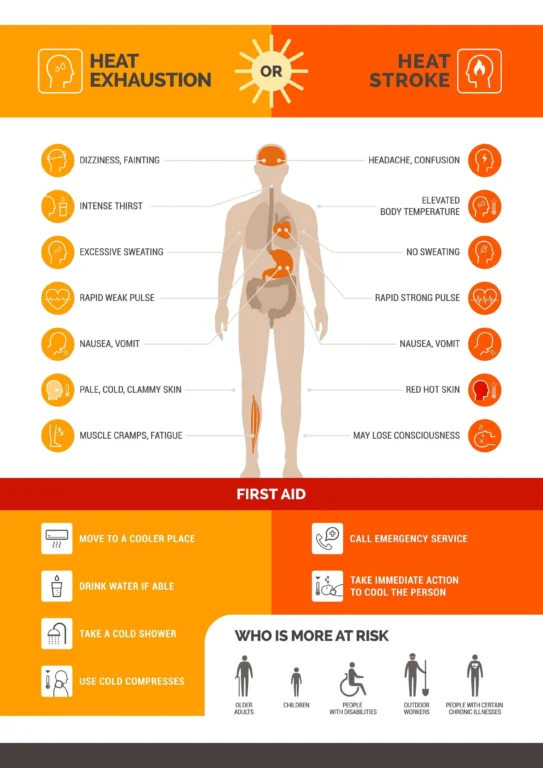
Why migraine gets worse in hot climate
For chronic migraine sufferers, heat and light are major sensory triggers. Humidity and migraine are closely linked because dehydration thicker the blood, forcing the heart to pump harder and increasing cranial pressure.
Difference between heat exhaustion and migraine
A migraine usually involves throbbing pain on one side of the head, light sensitivity, and nausea. A heat exhaustion headache is usually a dull, all-over ache accompanied by profuse sweating, cold/clammy skin, a rapid pulse, and muscle cramps. Heat exhaustion requires immediate cooling and medical attention.
When to see a doctor for heat headache
Seek emergency medical help if your headache is accompanied by confusion, slurred speech, a fever above 39°C, or if you stop sweating entirely. These are signs of heatstroke, a life-threatening emergency.
How to Prevent Dehydration Headache in Hot Weather
To survive the climate without a daily dose of painkillers, you need a proactive strategy:
- Pre-hydrate: Drink a glass of water *before* you step out for lunch, not just after you return.
- Wear Sunglasses: Blocking the glare reduces the physical tension in your face that contributes to the pain.
- Gradual Cooling: If you are sweating heavily, do not stand directly under an air-con vent. Let your body cool down slowly to prevent the “whiplash” effect.
🎒 Your SG Daily Survival Kit (Keep in your bag):
- ✅ Electrolyte Packets: Lighter than carrying isotonic drinks. Just mix with water if you feel dizzy.
- ✅ Polarized Sunglasses: To completely block the tension-causing UV glare from concrete.
- ✅ Light Scarf or Jacket: Your shield against the sudden 19°C MRT air-con.
- ✅ Thermal Water Flask: Keeps your water cool; drinking hot water in 33°C heat won’t help your core temperature drop.
Dahili ve Harici Linkleme Önerileri (Context & Official Sources)
Internal Links:
* Singapore Air-Con Health Guide: Dry Eyes and Sore Throats
* Singapore Screen Eye Strain: Daily Habits to Protect Your Vision
External Resources:
Conclusion & CTA
The singapore heat headache doesn’t have to be an inevitable part of living on the equator. By understanding how humidity traps heat, why air-con whiplash causes tension, and how crucial electrolytes are, you can protect yourself. Keep a bottle of water on your desk, step out of the direct glare, and listen to your body before the throbbing starts. Have you noticed a pattern with your own weather-related headaches? Start tracking them today to find your specific triggers.
🗣️ Spill The Tea: We Want to Hear From You!
Where do you experience the worst “Aircon Whiplash” in Singapore?
Is it stepping out of a freezing MRT cabin? Or walking back to your office after a hot hawker centre lunch?

About the Author: Ella Dirlasso
Ella is a senior editorial writer at SG Vital focusing on urban health, climate impacts on daily life, and wellness trends in Singapore. She works closely with local health advisories to bring fact-based, actionable advice to residents.