
Doctors in Singapore Are Hearing the Same Quiet Complaint: “I’m Just Tired”

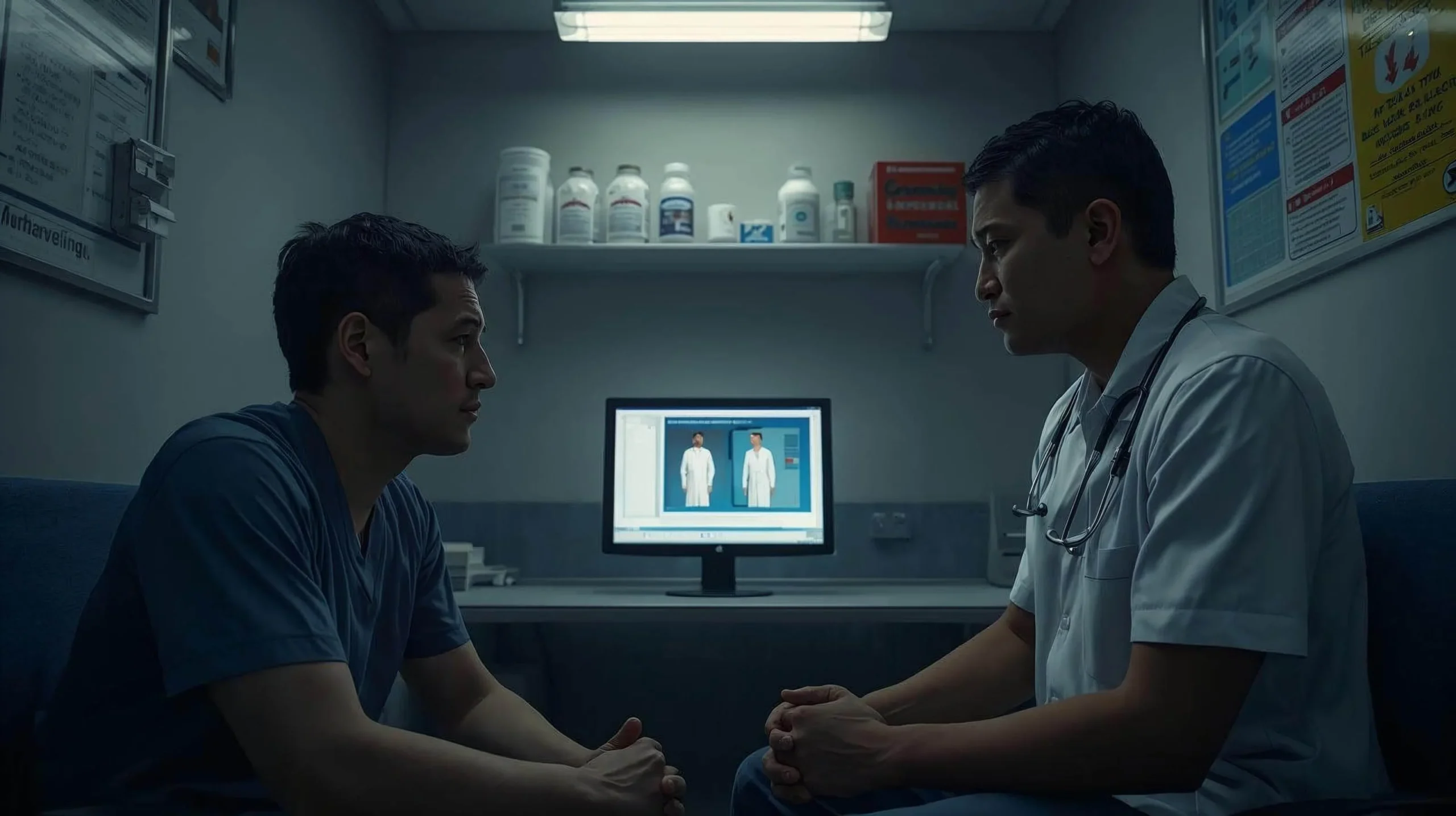

It isn’t a sharp pain. It isn’t a fever. It’s a vague, heavy sense of “not functioning,” and it is becoming the most common symptom in the General Practitioner’s chair.
Dr. Sim leans back in his chair at his clinic in Bukit Merah. It is 11:00 AM.
The patient in front of him is a man in his 30s. Fit. Dressed in Uniqlo. He doesn’t look sick. But he is rubbing his eyes as if he hasn’t slept in a week.
“I don’t know, Doctor,” the man says quietly. “I sleep seven hours. I eat okay. But I wake up… heavy. My brain cannot start. Is it low iron? Is it thyroid?”
Dr. Sim checks the blood test results on his screen. Everything is perfect. Haemoglobin normal. Thyroid normal. Sugar normal.
“You are healthy,” Dr. Sim says. The patient looks disappointed. He wanted a diagnosis. He wanted a pill. Instead, he got the truth: There is nothing medically wrong with him, and that is exactly the problem.
This obsession with metrics is not happening in isolation. Across Singapore, more people are tuning into tiny health signals — sleep scores, heart rate dips, cortisol guesses — often interpreting normal fluctuations as warning signs.
Here’s how hyper-vigilance around micro health signals is shaping patient anxiety.
This scene is playing out across the island. From Polyclinics to private suites, doctors are reporting a surge in the “TATT” patient—Tired All The Time. It is the silent epidemic of a city that has optimized everything except rest.
The “No-Name” Sickness
It’s frustrating because it’s invisible.
If you have a cough, you get 5 days MC. If you have “brain fog,” you get a pat on the back and advice to “exercise more.”
We spoke to a GP in the CBD who wished to remain anonymous. “Five years ago, people came for flu or gastric,” she says. “Now? 30% of my cases are just… burnout masking as physical symptoms. They come in with palpitations. I do the ECG. It’s normal. It’s anxiety. But they don’t want to hear ‘anxiety’. They want to hear ‘virus’ because a virus has a cure.”
It is a cultural blind spot. We have words for “heaty” and “windy.” We don’t have a socially matching word for “my cognitive load is so high I can’t remember my wife’s birthday.”
“Sick but no medicine,” as the old folks might say.
The Data of Exhaustion
The wearables aren’t helping. In fact, they are validating the fear — feeding into Singapore’s growing
micro health obsession
where every data point feels like a warning sign.
Patients are walking in with Excel sheets of their sleep stages. “Doctor, my Deep Sleep was 15 minutes. Is that why I feel like zombie?”
Doctors are forced to become data analysts. They have to explain that an algorithm on a watch isn’t a medical diagnosis. But try telling that to a tired executive who sees a red line on a graph.
It’s ironic. We have never had more data about our bodies, yet we have never felt more disconnected from them.
| The Complaint | The Medical Result | The Likely Reality |
|---|---|---|
| “Heart beating fast” | Normal ECG | High cortisol / Caffeine overdose |
| “Always tired” | Normal Thyroid/Iron | Mental Burnout / Revenge Bedtime Procrastination |
| “Stomach pain” | No Gastritis | Stress-induced gut issues |
| “Body aching” | No Inflammation | Sedentary lifestyle (Sitting 10 hours) |
The Official Response vs. Reality
The Ministry of Health (MOH) is aware. They launched the National Mental Health and Well-being Strategy. They are putting wellness corners in schools and workplaces.
But a policy paper cannot fix a lifestyle.
The doctor can prescribe sleeping pills, but he cannot prescribe “leaving work at 6 PM.” He can suggest “mindfulness,” but he cannot delete the 500 unread emails in the patient’s phone.
So, the cycle continues. The patient leaves with a bottle of vitamins (a placebo, mostly) and goes back to the same environment that made them tired. Two months later, they are back. “Doctor, still tired. Can check again?”
What This Means for Residents
We need to redefine what “sick” means.
The Validity of Rest:
We need to stop waiting for a fever to justify rest. If you are waking up exhausted every day, you are sick. You don’t need a positive ART test to prove it.
The Courage to disconnect:
The cure isn’t in a pharmacy. It’s in the “Off” button. It’s the hardest pill to swallow for a Singaporean, but sometimes the only way to fix the hardware is to shut down the software for a while.
Official Context
If you are feeling overwhelmed, you are not alone. Resources like Mindline.sg offer self-assessment tools. For non-emergency mental health support, the Institute of Mental Health (IMH) helpline operates 24/7.
🧠 Editor’s Bottom Line
“I walked out of my own checkup last week. Clean bill of health. ‘You are fine,’ the doctor said. But walking to the MRT, I didn’t feel fine. I felt drained. And I realized that in Singapore, ‘Health’ just means the absence of disease. It doesn’t mean the presence of vitality. We are all surviving beautifully. I just wish we were living a bit more.”