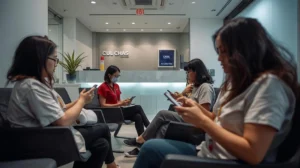
Why Singaporeans Are Obsessing Over Micro-Health

We used to go to the doctor only when we had a fever. Now, a buzzing watch in a meeting can trigger a panic attack about heart rate variability.
The marketing meeting at the Tanjong Pagar office didn’t stop because the boss finished speaking.
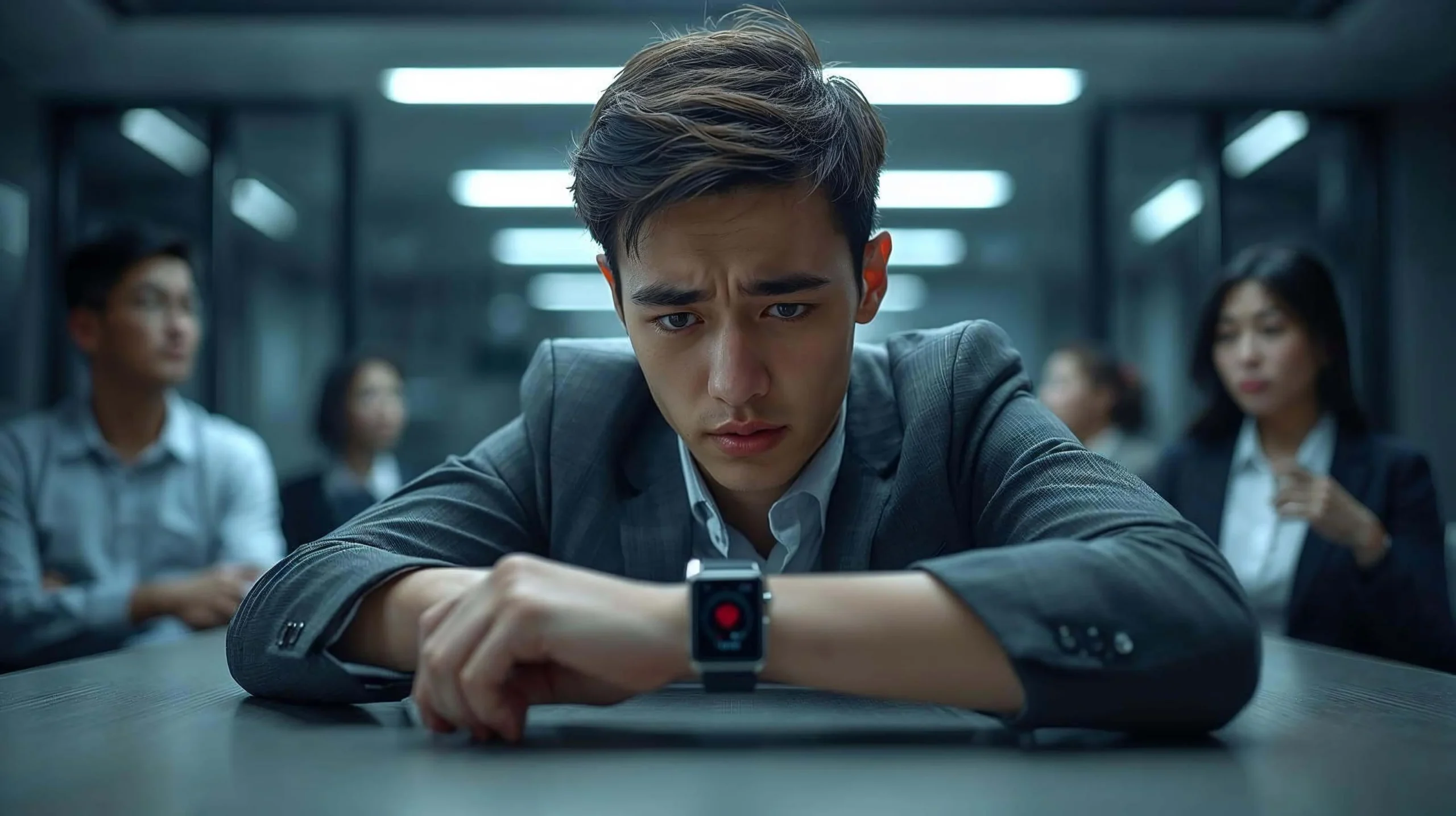
It stopped because Jason’s watch buzzed.
He glanced at his wrist. His face went pale. “High Heart Rate,” the screen read. 110 bpm. He wasn’t running. He was sitting in an air-conditioned room, drinking iced lemon tea. But the little sensor on his wrist decided something was wrong, and suddenly, the quarterly targets didn’t matter. Jason was wondering if he was having a silent heart attack.
This scene is becoming the new normal.
Singapore is undergoing a massive, quiet shift in how it handles health. It isn’t happening in hospitals. It’s happening on wrists, on phone screens, and in conversation.
The era of “ignoring it until it hurts” is dying. It is being replaced by the era of hyper-vigilance.
The “Kiasi” Wellness Wave
You can see it in the data, but you can feel it more in the hawker centres.
Listen to the uncles. They aren’t just talking about 4D numbers anymore. They are comparing blood sugar readings. “My glucose spike yesterday very high, cannot eat the kueh,” one says, tapping a continuous glucose monitor (CGM) patch on his arm. These used to be for severe diabetics. Now? Bio-hackers and health-conscious executives wear them like accessories.
The Ministry of Health (MOH) releases white papers about “Healthier SG” and preventive care strategies. They use charts and policy jargon.
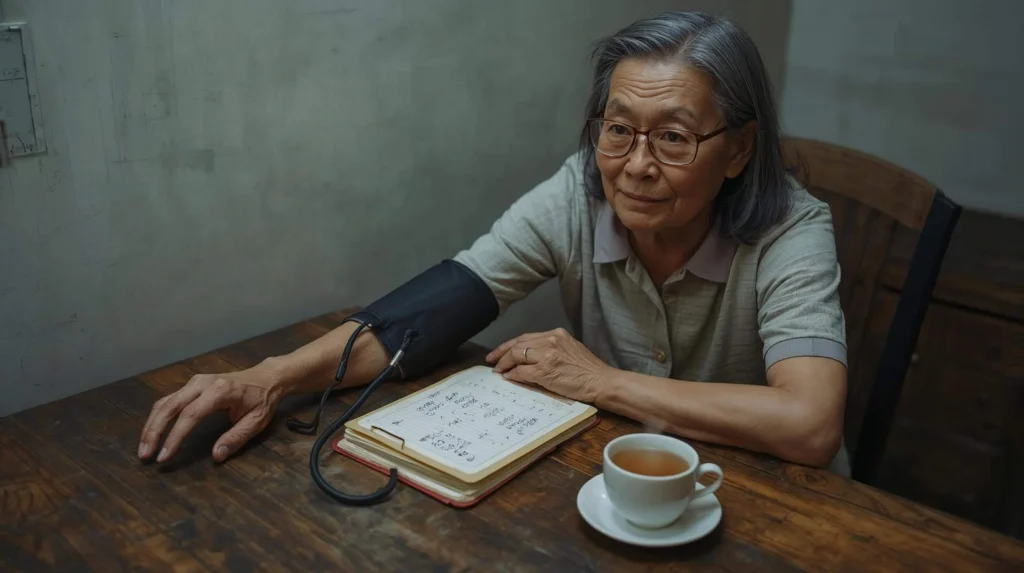
But on the ground, it looks simpler than that. It looks like an auntie buying a blood pressure monitor from Watsons not because she is sick, but because her friend said: “Better check. Now scared die, check everyday.”
That fear—or maybe that awareness—is driving a consumer boom. Supplements. Sleep trackers. Smart rings. We are gathering data on our bodies like we are managing a stock portfolio.
The Data Obsession
It’s addictive. Once you start tracking your sleep, you can’t stop.
You wake up feeling fine. Then you check the app. “Sleep Score: 54.” Suddenly, you feel tired. The data overrides your actual physical sensation. This is the double-edged sword of the quantified self.
It’s weird how fast this changed. One day we didn’t care, the next day we are analyzing REM cycles.
| Health Habit | The Old Way (Reactive) | The New Way (Proactive) |
|---|---|---|
| Doctor Visit | “Only when fever > 38°C” | “Tele-consult because watch said HR is high” |
| Monitoring | Yearly checkup (maybe) | 24/7 Continuous Tracking |
| Diet | “Eat less rice” | “Check glycemic index on app” |
| Motivation | Pain relief | Data optimization / Fear |
What This Means for Residents
We are becoming smarter about our bodies. That is the good news.
The Health Promotion Board (HPB) has been trying to get us to move for years with the National Steps Challenge. But the real motivator wasn’t the free vouchers; it was the realization that sitting down for 9 hours a day is slowly killing us.
The Anxiety Tax:
However, there is a cost. Doctors are seeing more “worried well”—patients who rush to the clinic because their oxygen saturation dropped by 1% for a minute. We are hyper-sensitive to signals that used to be just “noise.”
The Inequality of Health:
And then there is the cost of the gear. A decent smartwatch is $400. A continuous glucose monitor is expensive. Health is becoming a luxury product. The wealthy can monitor every heartbeat; the poor still wait for the polyclinic appointment.
Official Context
This shift aligns with the national Healthier SG initiative, where every resident is encouraged to enroll with a family doctor to create a personalized health plan. The government encourages the use of technology like the Healthy 365 app to track lifestyle changes.
🕰️ One Small Moment
“I saw a young couple sitting at East Coast Park last night. It was romantic. The sea breeze, the satay. Then, simultaneously, both their wrists lit up. ‘Stand Goal Achieved,’ the watches buzzed. They looked at each other, laughed, and high-fived. We have outsourced our satisfaction to algorithms, but at least we are standing up.”