Singapore Morning Routine Reality: Coffee, Commute & Micro-Habits

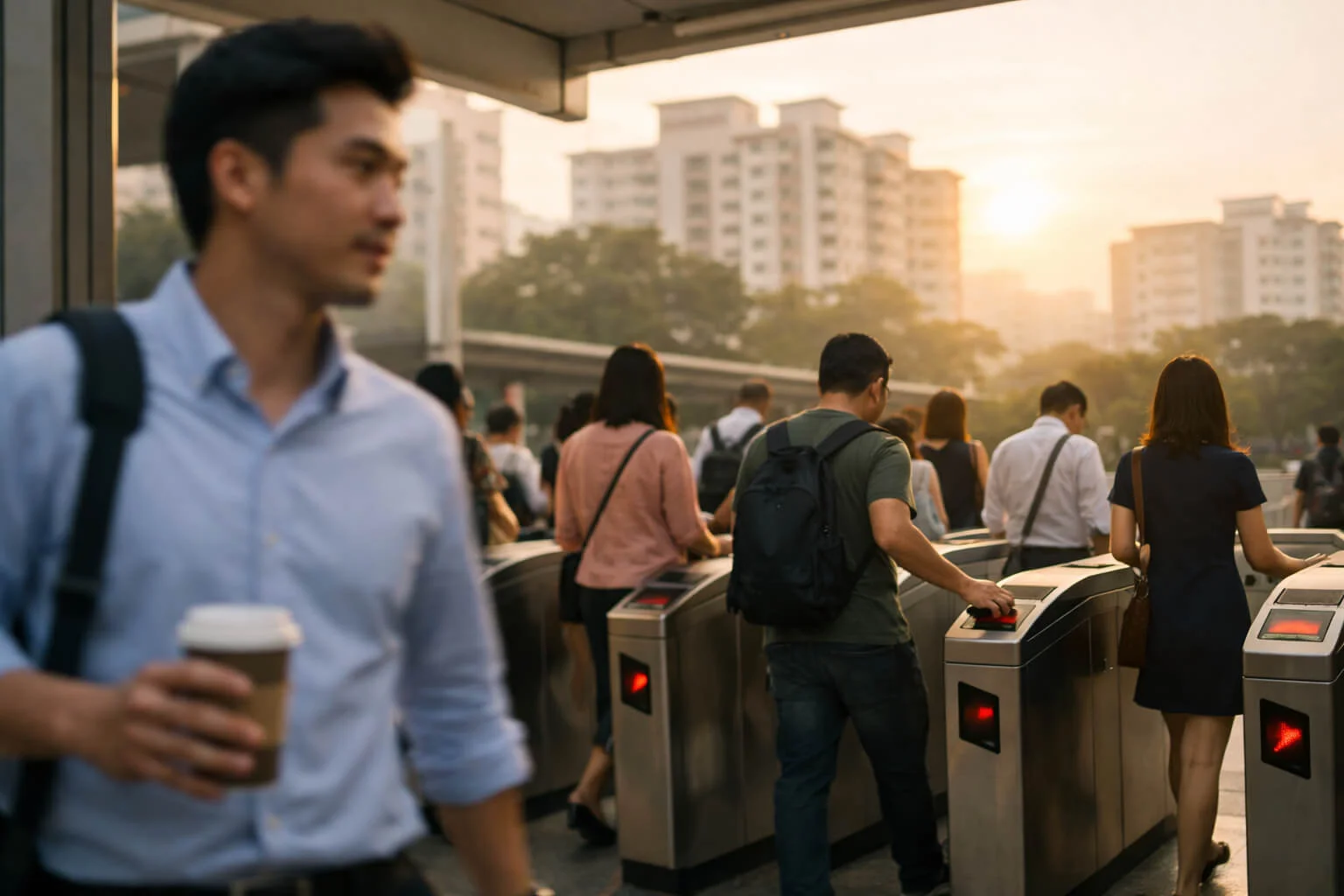

Before the emails start flooding in and the humidity hits its peak, millions of Singaporeans engage in a synchronized dance of efficiency. It is a world of calculated MRT transfers, strategic Kopi runs, and the invisible clock that dictates every move.
🚀 TL;DR: The “Chope” Version
- The Golden Window: Leaving between 7:45 AM – 8:15 AM is a gamble. Aim for the 7:52 AM sweet spot.
- Caffeine Logic: Whether it’s Kopi-O-Kosong or a Latte, the morning run is your mental bridge to work mode.
- Micro-Habits: Real productivity isn’t just about emails; it’s about “habit stacking” during your MRT ride.
- The Buffer: A 10-minute quiet walk can prevent 9 AM burnout.
Mornings in this city are rarely accidental. Whether you are living in a Jurong West HDB or a Tanjong Pagar condo, a singapore morning routine is often a masterpiece of time management. It is a rhythm dictated by the arrival time of the next bus and the length of the queue at your favorite breakfast stall.
But beyond the logistics, what mornings are like in Singapore reveals a lot about our urban identity. It is a blend of high-speed productivity and quiet, functional rituals that keep us grounded before the workday officially begins. From the morning coffee singapore culture to the peak hour commute singapore strategies, here is how the day actually starts.
Why Mornings in Singapore Feel Structured (Yet Hectic)
There is an “invisible social clock” in Singapore. We all know the window between 7:45 AM and 8:15 AM is the tipping point where a “smooth journey” turns into a “packed commute.” This shared awareness creates an urban rhythm that is incredibly predictable yet high-pressure.
Our morning rush singapore isn’t just about moving fast; it’s about micro-efficiency. It’s the habit of checking the bus arrival app while still brushing your teeth, or knowing exactly which MRT door aligns with the escalator at your transfer station. Every daily schedule singapore resident follows is built on these tiny, saved minutes.
Coffee Runs: The First Ritual of the Day
For many, the start your day singapore ritual begins at the void deck Kopitiam or the CBD takeaway kiosk. Caffeine here is functional. Whether it’s a Kopi-C Kosong or a high-end oat latte, the “coffee run” acts as a mental bridge between home life and work mode.
We see a quiet divide in morning life singapore: the sit-down crowd at the hawker centre, slowly digesting the news over soft-boiled eggs, and the “dabao” (takeaway) army. How you get your coffee often depends on your commute morning singapore window—if you missed the early bus, that sit-down breakfast becomes a hurried drink in a plastic bag.
When issues escalate beyond DIY fixes, residents often need external help.
Choosing reliable service providers matters — this
Singapore home repair contractor guide
breaks down how locals avoid scams and upsells when hiring technicians.
☕ Quick Kopi Cheat Sheet
| If you want… | Order this: |
|---|---|
| Black Coffee (No Sugar) | Kopi-O Kosong |
| Coffee with Evaporated Milk | Kopi-C |
| Less Sugar | Siew Dai |
Pro Tip: Order “Dabao” to get it in the classic plastic bag with a green string!
Commute Timing Strategies Residents Quietly Learn
A realistic singapore workday morning guide would be incomplete without discussing “The Window.” Successful commuters don’t just leave “at 8 AM.” They leave at 7:52 AM to avoid the secondary school rush or the 8:05 AM surge.
This morning habits that improve productivity singapore professionals use is called “departure window optimization.” By shifting your start by just seven minutes, you might secure a seat on the MRT or avoid three traffic light cycles. During transit, the morning commute experience singapore is often used for “mental shielding”—listening to podcasts or planning the day’s top three tasks to avoid the sensory overload of a crowded cabin.
🚇 The “Door Strategy”
Did you know? Pro commuters at City Hall or Raffles Place already know which carriage door aligns perfectly with the escalators. If you’re heading to the East-West line transfer, look for the markings on the floor. Saving those 30 seconds of walking could mean getting a seat before the crowd from the next train arrives.
Micro-Habits That Shape Productivity Before 9 AM
In the quiet blocks of time during transit or right after arriving at the desk, daily micro habits singapore life influencers often miss are the most impactful. Many of us engage in “information scanning”—clearing out non-urgent notifications or reading the top headlines—to ensure we aren’t blindsided when the first meeting starts.
However, the most effective singapore productivity morning habit is “habit stacking.” Listening to a language app while walking to the station, or practicing mindfulness during the 20-minute train ride. These small time blocks are the only “me-time” many Singaporeans get in a high-density environment.
Compact storage setups can also create airflow issues — especially in wardrobes or shoe cabinets.
If you’ve dealt with stale odours, this
HDB storage smell guide
explains why it happens and what residents do to reduce it.
📊 Quick Quiz: What’s Your SG Commuter Style?
Pick the statement that describes you best:
(Click to see your persona!)
Stress Points That Build Up Unnoticed
It’s not just the big deadlines that tire us out; it’s the daily habits singapore residents endure. The “social density fatigue” of navigating through a crowded Dhoby Ghaut or Raffles Place gantry, the humidity-induced lethargy, and the constant time-pressure can lead to cognitive drain before 9 AM even hits. Recognizing these frictions is the first step to mitigating them—often by choosing a slightly longer but quieter route.
Weekend vs Weekday Morning Contrast
On Saturday, the singapore lifestyle habits shift completely. The “functional caffeine” becomes a “social brunch.” The hurry disappears, replaced by a slower morning routine singapore that focuses on family or hobbies. This rhythm shift is vital for the “reset psychology” required to survive another high-octane work week.
The “Golden 10 Minutes”
The most satisfied commuters in Singapore often share one thing in common: they build in a 10-minute “buffer” that isn’t for travel. It’s for a slow walk through a park connector or a quiet moment with a drink before entering the office. This small break in the morning rush singapore flow resets the nervous system.
Bathroom frustrations are common — weak showers or unstable hot water can quietly affect daily comfort.
If you’re troubleshooting, see this
water pressure and heater guide for Singapore homes
for practical fixes residents actually try.
A personal note: I used to calculate my best morning timing for commute singapore down to the second. If I missed the 8:02 AM bus, I felt like my whole day was ruined. Then I started leaving 15 minutes earlier—not to work more, but to walk the long way to the MRT. That extra sunlight and the lack of “crowd-fighting” changed my entire mood. The city feels much smaller and friendlier when you aren’t racing against its clock.
Quick Checklist (Save This)
✅ Do This
- Check bus arrival apps *before* you put on your shoes.
- Hydrate before your first morning coffee singapore run.
- Identify your “micro-peak” windows and try to leave 10 mins earlier.
- Use noise-canceling headphones to reduce morning rush singapore sensory stress.
- Pack your bag the night before to reduce “decision fatigue” in the morning.
- Try a “tech-free” commute once a week to let your brain wander.
- Walk through park connectors if they are on your route (nature reset).
- Set a “Top 3” goal list before you open your email inbox.
- Keep a small “emergency kit” (umbrella, tissue, mints) in your work bag.
- Use the MRT ride for low-intensity “admin” tasks to free up office time.
❌ Avoid This
- Do not start your day by scrolling through “rage-bait” news or social media.
- Do not ignore the power of a consistent wake-up time, even on weekends.
- Do not underestimate the “humidity tax”—factor in time to cool down at the office.
- Do not “sprint” for a train that is already closing; there’s always another in 3 mins.
- Do not skip breakfast entirely; even a small protein snack stabilizes energy.
- Do not engage in heavy work emails while walking (safety and stress risk).
- Do not use the “Snooze” button more than once; it disrupts sleep cycles.
- Do not neglect your singapore morning routine on rainy days—add 15 mins.
- Do not forget to tap out! (SimplyGo errors happen in the rush).
- Do not let a bad commute ruin the next 8 hours of your life.
Official Context & Resources
For official transport updates and peak hour data, visit the LTA. For health and wellness tips on starting your day right, check out HealthHub Singapore. Community events and morning activities can often be found via People’s Association.
Editorial Note
This article reflects everyday urban observations of morning routines across Singapore. Commute timing, coffee rituals, and productivity habits vary depending on residential area, job type, and transport routes. The goal is to capture relatable lived experiences rather than prescribe lifestyle rules.
💬 Let’s Talk: What’s your morning “Sian” moment?
Is it a missed bus or a long Kopi queue? Or maybe you’ve found a secret route to Raffles Place that saves you 5 minutes?
Share your morning hack in the comments below! We’d love to know how you survive the humidity and the rush. Don’t be shy, lah!